 Login
LoginWomen in Concentrated Solar Mentorship Program 2026
27 March 2026 at 21:28

To become a Mentor or Mentee for 2026, go to Women in Concentrated Solar
The post Women in Concentrated Solar Mentorship Program 2026 appeared first on SolarPACES.

To become a Mentor or Mentee for 2026, go to Women in Concentrated Solar
The post Women in Concentrated Solar Mentorship Program 2026 appeared first on SolarPACES.
Source: LinkedIn
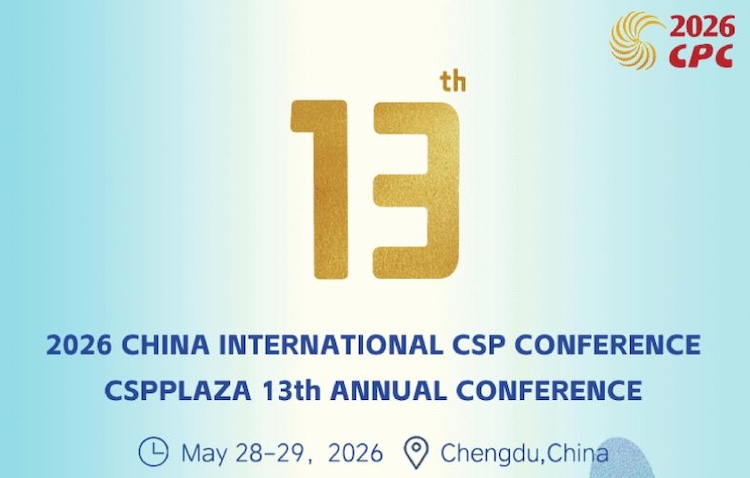
FREE! 13th China International CSP Conference (CPC2026) is coming to Chengdu on May 28-29, 2026!
Under the theme “Step into a New Era of Large-Scale Development,” co-hosted by CSPPLAZA, Royal Tech CSP & Cosin Solar, this flagship event (12-year legacy, once drew 1,028+ industry leaders) aligns with China’s 2030 target: 15GW CSP capacity at coal-competitive costs!
With domestic tech leadership, industrial chain maturity, and policies boosting integration with wind/ PV, it’s a pivotal moment for CSP.
Inviting gov officials, experts, investors, developers, EPCs & researchers worldwide to shape the future of solar thermal power.
See you in Chengdu! 🌞#CSP #SolarThermal
The post 13th China International CSP Conference: Chengdu in May appeared first on SolarPACES.
Source: Jennifer Zhang, Editor in Chief ESPLAZA and CSPPlaza at LinkedIn
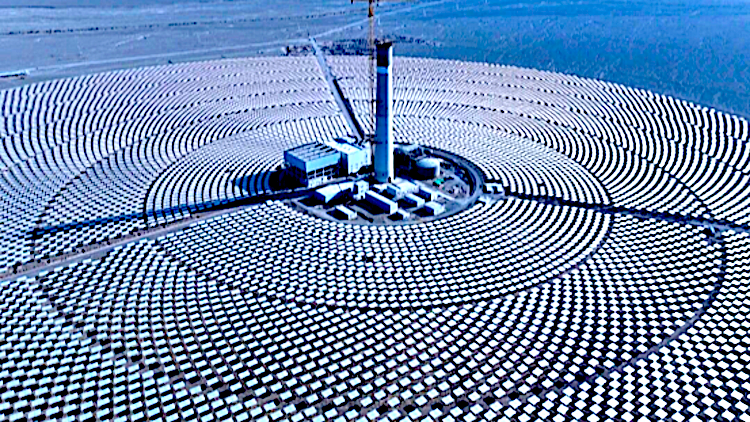
The Wustong CSP + PV Hybrid Project in Tokson County, Turpan City, is one of the key market-oriented renewable energy projects approved in the second batch of Xinjiang Uygur Autonomous Region in 2022.
It is also a flagship project under Turpan’s 14th Five-Year Plan for new energy development and a major demonstration project within Eastern Xinjiang’s large-scale renewable energy base.
The project is located in the Wustonggou area of Tokson County, Turpan City, approximately 6 km south of Provincial Highway S301 and north of the Wustonggou Reservoir, about 48 km from the county center. Situated in a Gobi region with abundant solar resources, the site offers excellent conditions for concentrated solar power (CSP) development.
The project has a total installed capacity of 1GW, comprising:
The project adopts a mature molten salt tower CSP technology:
This configuration enables long-duration energy storage, stable power output, and efficient integration of variable renewable energy.
Read More: Jennifer Zhang, Editor in Chief ESPLAZA and CSPPlaza at LinkedIn
The post Xinjiang’s Turpan Wustong 1GW CSP + PV expected completion in 2026 appeared first on SolarPACES.

Source ESPlaza:
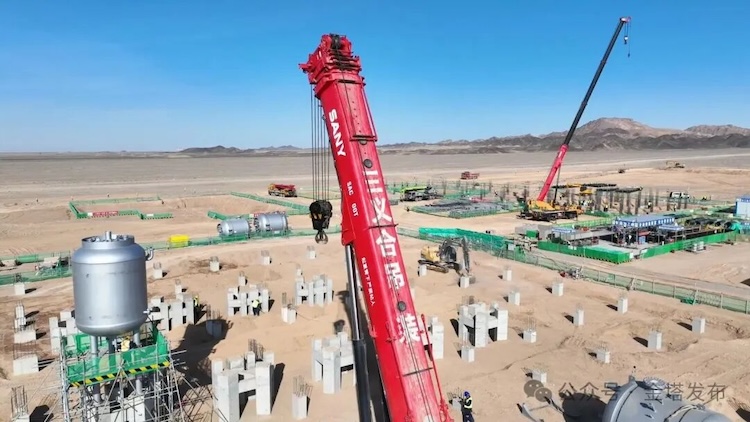
Construction activity is ramping up at the steam supply station of CNNC HuiNeng’s 1.6GW clean energy support project in Jinta County, Gansu province, as engineering teams push ahead with schedule, quality, and coordination targets. On site, works including rebar installation and concrete pouring are progressing in parallel, reflecting a rapid transition into the next phase of delivery.
Located within the Jinta Nuclear Technology Industrial Park, the project represents a total investment of RMB 830 million and covers an area of approximately 10 hectares. It is a key component of Gansu’s third batch of large-scale clean energy base developments. The project is designed to establish an advanced “power–heat–storage” conversion and integration system, combining multiple energy sources into a unified framework.
Core infrastructure includes a 440MW electric steam boiler system, three 25MW molten salt electric heaters, and a 2,000MWht molten salt thermal energy storage system. Together, these systems will enable integrated “wind–solar–storage–heat” coupling, enhancing energy flexibility and providing stable, dispatchable thermal supply to support industrial demand in the region.
The project has now entered a critical phase, marked by the final stages of civil construction and the commencement of equipment installation. Civil works are underway across five main process buildings and three auxiliary facilities, with earthworks and concrete pouring nearing completion.
Key equipment is arriving on site in sequence. Five electric steam boilers have been delivered, with the first unit successfully hoisted into position on March 16. Installation of the remaining units is progressing as planned. This milestone signals the project’s transition from civil engineering to mechanical and process installation, as construction shifts from below-ground to above-ground works.
According to project timelines, the main structures are expected to be topped out by June 30, grid connection conditions achieved by July 20, and steam supply readiness reached by September 30.
The post 2,000MWht Molten Salt Thermal Storage Deployed as Installation Works Begin at CNNC HuiNeng’s 1.6GW Clean Energy Project in Jinta County appeared first on SolarPACES.
Abstract:
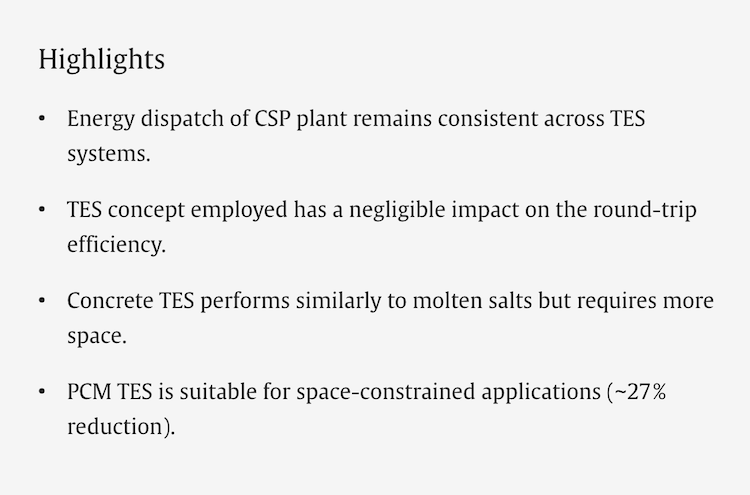
Thermal energy storage (TES) plays a critical role in enhancing the efficiency and dispatchability of concentrating solar power (CSP) plants by mitigating solar energy intermittency. Although molten salts remain the dominant TES solution, alternative systems such as solid-state and latent heat storage offer promising advantages. This study analyses the performance impact of different TES technologies—two-tank molten salt, concrete-based storage, and phase change materials (PCMs)—when integrated into CSP systems. By comparing key performance indicators under identical operating conditions, this study provides insights into the suitability of each TES technology for CSP plant operations. The results highlight the trade-offs between energy yield, efficiency, and footprint. All three concepts demonstrated comparable performance at both the system and TES levels, with disparities of less than 3 %. The advantage of PCM lies in its substantial volume reduction of approximately 27 % compared to molten salt, whereas concrete TES achieves similar outcomes with a slight increase in volume relative to molten salt TES volume.
Pablo D. Tagle-Salazar, Luisa F. Cabeza, Cristina Prieto, Performance benchmark of thermal energy storage concepts in concentrating solar power, Applied Energy, Volume 404, 2026, 127183, ISSN 0306-2619, https://doi.org/10.1016/j.apenergy.2025.127183
The post Published at Applied Energy – Performance benchmark of thermal energy storage concepts in concentrating solar power appeared first on SolarPACES.
Abstract:
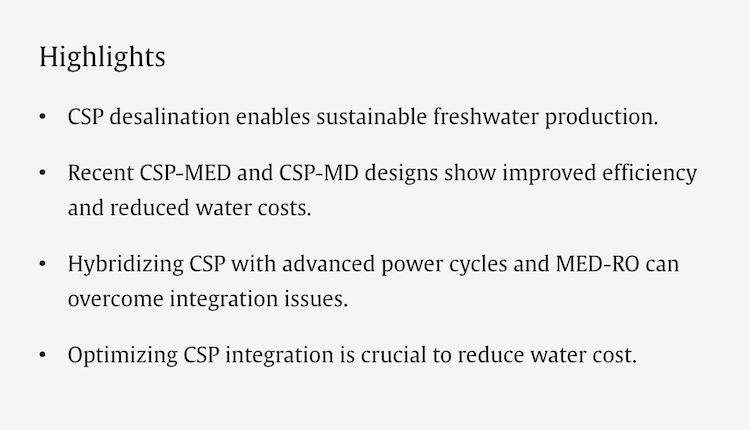
The rising global demand for freshwater, coupled with the urgency to transition away from fossil fuel-based energy systems, has intensified research into sustainable desalination solutions. However, conventional desalination methods reliant on fossil fuels are highly energy-intensive, presenting substantial obstacles to achieving a low-carbon energy transition. Concentrated solar power (CSP) presents a compelling alternative, particularly for arid regions with high direct normal irradiation (DNI). This review provides a comprehensive analysis of recent advancements in CSP-driven desalination technologies, with a particular focus on key methods such as multi-stage flash distillation (MSF), multi-effect distillation (MED), membrane distillation (MD), and innovative hybrid systems. It systematically categorizes solar desalination technologies based on their functional components, economic feasibility, and research progress, highlighting advancements in hybrid system designs, thermal performance optimization, and economic evaluations. Although CSP desalination has experienced significant growth over the past five years, challenges remain in developing cost-competitive solutions, particularly in addressing parasitic losses during integration with conventional power systems. This review identifies potential strategies to overcome these challenges, including optimized system configurations, the integration of thermal energy storage, the adoption of advanced power cycles, and the hybridization of MED-RO systems. Realizing the full potential of CSP for sustainable freshwater production will require advances in materials, system integration, and hybrid configurations. A multidisciplinary approach—combining thermal sciences, desalination engineering, power systems, and techno-economic analysis, alongside supportive policies—is key to establishing CSP desalination as a viable solution for high-DNI, water-scarce regions. This review provides a timely and comprehensive overview of current progress and future directions, offering practical insights for advancing sustainable desalination technologies.
M. Imran Khan, Muhammad Reshaeel, Faisal Asfand, Sami G. Al-Ghamdi, Muhammad Farooq, Mushtaq Khan, Furqan Tahir, Yusuf Bicer, Muhammad Asif, Mohammad Rehan, Tonni Agustiono Kurniawan,
Concentrated solar power (CSP) driven desalination systems: A techno-economic review, Renewable and Sustainable Energy Reviews, Volume 226, Part B, 2026, 116311, ISSN 1364-0321 https://doi.org/10.1016/j.rser.2025.116311
The post Published at Renewable and Sustainable Energy Reviews – Concentrated solar power (CSP) driven desalination systems: A techno-economic review appeared first on SolarPACES.
Abstract:
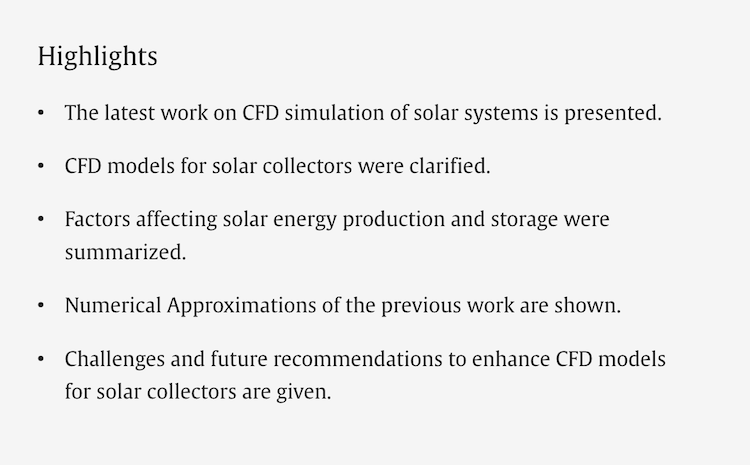
Solar energy is a clean, abundant, and sustainable power source that forms the foundation of energy sustainability. Researchers have focused on examining various factors affecting solar energy generation and storage to improve the efficiency of solar collectors. They have evaluated different design criteria, considering environmental elements such as wind speed, solar radiation, and ambient temperature. Both experimental methods and numerical simulations, including Computational Fluid Dynamics (CFD), have been used. ANSYS-Fluent CFD modeling, in particular, provides a cost-effective alternative to experiments by simulating fluid flow and heat transfer within solar collectors. This article reviews recent advances in numerical modeling of concentrating solar systems, using ANSYS-Fluent, detailing the models and methods employed while discussing current challenges. It covers various solar concentrators, including evacuated tube collectors (ETC), Linear Fresnel reflectors (LFR), Compound Parabolic Collectors (CPC), and Solar Towers (ST). Summaries of previous studies are tabulated, highlighting different CFD models, techniques, and assumptions. The main goals and results of these studies are outlined. The article also discusses validation techniques and compares experimental data with simulation outcomes, assessing the employed numerical models and methods. It emphasizes common physical models, solution strategies, and assumptions used in analyzing different solar concentrating systems. Additionally, it identifies current challenges, suggests future research directions, and offers perspectives to help advance understanding. This work aims to support researchers in understanding current trends in the numerical simulation of high-concentration solar collectors. Scholars can use this resource to select appropriate models and methods, leveraging their strengths and avoiding common pitfalls in CFD analysis of solar collectors with ANSYS-Fluent.
A.S. Abdelrazik, M.A. Sharafeldin, Mohamed Elwardany, A.M. Masoud, Abdelwahab N. Allam, Bashar Shboul, Ahmed O. Eissa, Mansur Aliyu,
Computational modeling of high-concentration solar systems using ANSYS-Fluent: Verified models, implemented methods, & existing challenges,
Renewable and Sustainable Energy Reviews, Volume 226, Part C, 2026, 116305, ISSN 1364-0321, https://doi.org/10.1016/j.rser.2025.116305
The post Published at Renewable and Sustainable Energy Reviews – Computational modeling of high-concentration solar systems using ANSYS-Fluent: Verified models, implemented methods, & existing challenges appeared first on SolarPACES.
Abstract:
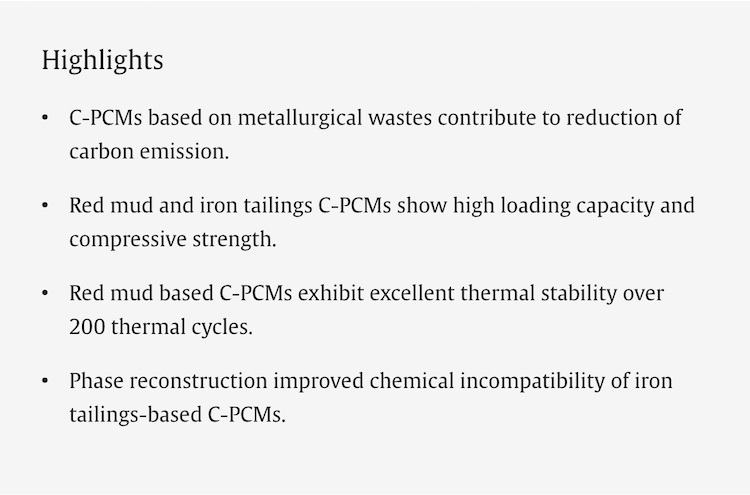
Solid waste-based heat storage materials are attractive due to their low carbon emission and cost effectiveness, demonstrating significant potential for application in concentrated solar plants and waste heat recovery. In this study, steel slag, red mud and iron tailings were used as three types of metallurgical solid wastes to develop form-stable composite phase change materials (C-PCMs) for high temperature (≥600 °C) thermal energy storage in combination with NaCl-Na2SO4 eutectic salt. The thermophysical and mechanical properties of the C-PCMs were comprehensively investigated. Results showed that both red mud and iron tailings had better salt loading capacity than steel slag, which could effectively encapsulate 50 wt% salt without leakage. And these two C-PCMs also exhibited excellent compressive strength of 90 MPa and 81 MPa, respectively. In particular, red mud based C-PCMs showed a phase transition temperature of 625 °C and latent heat of 70 J/g, which only decreased by 2.8% after 200 thermal cycles, indicating good thermal cycling stability. By contrast, iron tailings based C-PCMs initially had lower latent heat of 48 J/g at 622 °C due to the reaction between SiO2 and Na2SO4, but its latent heat increased significantly by 66.6% to 80 J/g after 200 cycles through self-reorganization of the phase during thermal cycling. The results of this work might lay a solid foundation for further exploration of metallurgical solid waste in high temperature thermal energy storage, thereby significantly contributing to carbon emission reductions in both the resource and energy sectors.
Feng Jiang, Hao Wang, Dejian Pei, Tongtong Zhang, Jian Song, Yi Jin, Xiang Ling, Metallurgical solid waste-derived skeleton enables shape-stabilized phase change materials with robust properties for high-temperature (≥600 °C) thermal energy storage, Solar Energy Materials and Solar Cells, Volume 300, 2026, 114272, ISSN 0927-0248, https://doi.org/10.1016/j.solmat.2026.114272
The post Published at Solar Energy Materials and Solar Cells – Metallurgical solid waste-derived skeleton enables shape-stabilized phase change materials with robust properties for high-temperature (≥600 °C) thermal energy storage appeared first on SolarPACES.
The 32nd SolarPACES Conference will take place on September 15-18, 2026 in Bad Neuenahr-Ahrweiler, Germany. Don’t miss the opportunity to share your research findings and latest insights with the international CSP/CST community and submit your abstract.
Due to numerous requests, we have extended the deadline to March 30.
Submit Your Abstract Now
The post Abstract submission deadline extended to March 30 appeared first on SolarPACES.
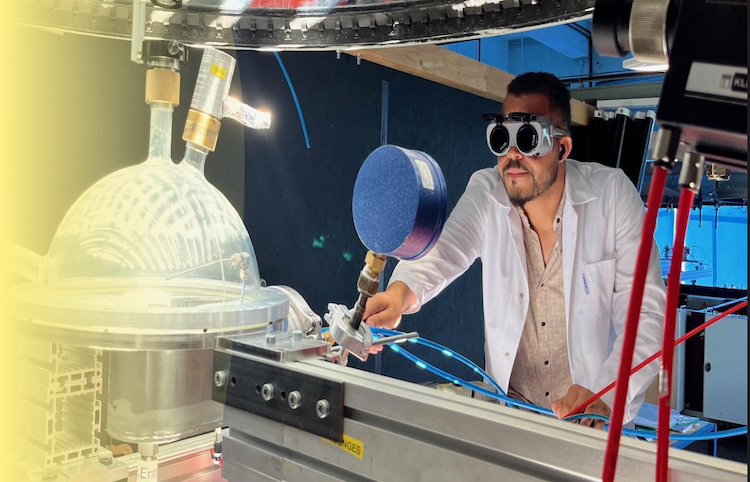
PROMES-CNRS researchers have further advanced their lithium-ion battery recycling using concentrated solar heat. The team has now shown they can recover 76% of the lithium and up to 99.3% of the cobalt at 1100°C.
Working with the French battery recycling company SNAM, the PROMES team has modeled and has now demonstrated a proof of concept for recycling lithium-ion batteries using concentrated solar pyrometallurgy for carbothermal reduction, which they presented at SolarPACES 2025
“Our cobalt recovery rate of 99.3% is comparable to or better than what is typically achieved with conventional fossil-fuel-based pyrometallurgy,” lead researcher Ahmed Benamar confirmed.
The lithium recovery at 76% is also much better than the recovery rate in the conventional process – which is just 30%.
“This demonstrates that our solar-assisted process can match or exceed traditional methods while offering significant environmental benefits through reduced CO₂ emissions.”
The field is only a few years old. In 2023, PROMES lead researcher Gilles Flamant first demonstrated that CST-driven carbothermal reduction for battery recycling could work. At the time, he was just beginning to consider how using a temperature sequence might affect the process.
“Perhaps it is possible to use various temperatures, or at one high temperature in a single step?” Flamant mused in an interview with SolarPACES.
Indeed, gradually increasing the temperatures, designed to allow different reactions to occur sequentially at each step, was behind the success of the current work.
“In our current research, we are implementing a precisely controlled temperature sequence (900°C, 1000°C, and 1100°C) to optimize the reduction process,” said Benamar.
“Temperature control is a critical aspect of our pyrometallurgical process. We use a PID controller to manage the temperature by adjusting shutter blades, ensuring precise control over both heating and cooling rates. This level of control is essential for achieving consistent and reproducible results.
The original work in 2023 did not isolate and deeply study the carbothermal reduction step in isolation, or rigorously characterize what was happening to individual elements at different temperatures. But it established the fundamental principles of concentrated solar for battery recycling using pyrometallurgy. This work now builds on that original concept, using a more refined experimental approach that includes detailed process optimization and validation.
Today’s battery recycling relies on fossil fuels (either burner or fossil fuel-based electricity) to supply the high temperatures required for pyrometallurgy, which is not sustainable in the long term.
Pyrometallurgy involves smelting, roasting, and calcination to separate valuable metals from impurities, playing a crucial role in the recycling of iron, steel, and batteries. But when heat is supplied by fossil fuels, it is energy-intensive and emits greenhouse gases. Concentrated solar now can reach these temperatures over 1000°C.
Chemical dissolution (hydrometallurgy) can recover metals (particularly Cobalt and Lithium) more selectively, but it generates hazardous liquid wastes.
There is a need for a clean, scalable recycling method for the volumes the world will soon produce — the lithium-ion battery market is projected to nearly triple from $54 billion to $140 billion between 2024 and 2033.
Both metals, cobalt and lithium, are scarce and increasingly valuable
The Democratic Republic of Congo holds 98% of the world’s cobalt reserves, and mining it is inherently brutal work in small, unpredictable artisanal mines that cannot be systematically mined with machinery. The dust causes lung diseases.
Lithium mining is less environmentally problematic, but it’s also geopolitically concentrated among very few nations.
Carbothermal reduction in pyrometallurgy uses a carbon source – graphite in this case (but biomass char can also be used) – as the reducing agent to reduce metal oxides into elemental metals. Graphite is a strong reducing agent; it has a strong chemical affinity for oxygen and will pull it away from the metal oxides when given enough thermal energy to drive the reaction.
Concentrated solar energy supplied the heat directly to over 1000°C to perform the carbothermal reduction in an oxygen-free container.
For this on-sun proof-of-concept test, the team used a 25-square-meter tracking mirror that followed the sun, redirecting its radiation onto a 2-meter parabolic reflector, to refocus the energy to up to 1100°C at the focal point, where the sample was enclosed in a sealed, transparent reactor. The temperature was precisely controlled by adjusting the shutters to regulate the amount of refocused sunlight reaching the sample.
Lithium-cobalt oxide and graphite, mixed in a 1:1 molar ratio, were placed in small alumina crucibles and heated at a rate of 50°C per minute to a sequence of targeted temperatures of 900°C, 1000°C, and 1100°C, and held there for 45 minutes, then cooled.
This sequence of temperatures causes the carbon to ultimately strip the metal oxides of their oxygen, which disperses as a gas, leaving the metals.
While cobalt was successfully recovered as a solid metal with 99.3% recovery rate, lithium proved trickier: its recovery peaked at around 70% by 900°C and actually declined as the temperature rose, apparently because lithium species vaporize as a gas at extreme temperatures, something their thermodynamic modeling hadn’t predicted.
The researchers are working on finding a fix for this partial lithium escape.
“Our simulations indicated that lithium vaporizes as both atomic lithium gas (Li) and lithium oxide gas (Li₂O),” Benamar specified in a follow-up email.
“During cooling, these gases react with CO₂ or CO in the atmosphere, reforming as Li₂CO₃ (the white powder observed). This understanding has helped us refine our approach to lithium recovery.”
The goal now is to understand the fundamental behavior well enough to refine the process.
Another unexpected challenge they already solved was that the alumina crucible containing the sample unexpectedly combined with the lithium.
“To fix the contamination issue with alumina crucibles, we switched to using MgO crucibles, which successfully eliminated the contamination problem. This change has allowed us to achieve cleaner separation of elements and more consistent recovery yields,” he said.
Nickel Manganese Cobalt (NMC) batteries are used in most modern electric vehicles. The team is now working on a recycling technology for this increasingly commercially prevalent battery chemistry and on the development of a pilot-scale solar reactor.
“We are still gathering data, but our preliminary results are promising,” Benamar noted. “With the projected accumulation of end-of-life NMC batteries in the next five to 10 years, developing effective recycling methods for this chemistry is becoming urgent.”
Flamant foresees that commercialization would see many midsize or smaller solar battery recycling plants, rather than a few large ones, greatly reducing the capital expense for concentrated solar startups. And the timing is perfect.
“You have a kind of delay between the development of battery uses and the production of waste,” he said. “We are now just starting to see an increase in the quantity of waste batteries that must be treated. The quantity isn’t really big right now, but in five or 10 years, it will be. Just in time for a solar process.”
These small solar pyrometallurgy battery recycling plants would be suitable for many regions around the world, those with at least 1800 kWh/per square meter annual DNI. All of Southern Europe, India, Africa, much of China, and most of Australia, the Southwest US and South America could generate these temperatures with concentrated solar for these recycling plants.
The post Concentrated solar lithium battery recycling demo bests fossil-fueled recovery rate appeared first on SolarPACES.
Abstract:
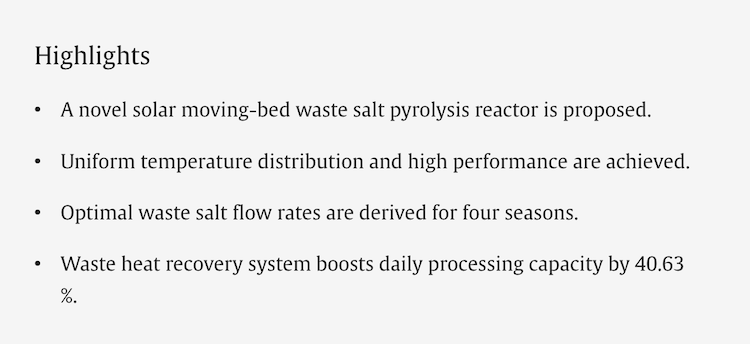
Industrial waste salts with organic impurities require eco-friendly treatment. Conventional pyrolysis relies on fossil fuels, however, concentrated solar energy offers a clean alternative. This study proposes a novel solar moving-bed pyrolysis reactor for purifying waste salt that combines a planar mirror with a parabolic trough concentrator to enable continuous solar irradiation of a vertical moving-bed reactor. The reactor effectively pyrolyzes organic impurities, achieving a final residual ratio below 0.02, while reactor rotation reduces the circumferential temperature difference to 50 K. Seasonal analysis determined optimal flow rates, resulting in a daily processing capacity of 82.66 kg/d in summer 96 % higher than in winter (42.17 kg/d). Furthermore, A 200 K increase in inlet temperature raised daily capacity by 39.06 %; accordingly, an integrated waste heat recovery system was designed and optimized, further enhancing the daily capacity by up to 40.63 %. This work demonstrates the viability of solar-driven pyrolysis for waste salt purification and highlights the importance of operational optimization for industrial solar thermal applications.
Z.J. Dong, H. Ye, W.J. Yan, Y.B. Tao, Design and performance study on a novel solar moving-bed pyrolysis reactor for waste salt treatment, Energy Conversion and Management, Volume 348, Part C,
2026, 120748, ISSN 0196-8904, https://doi.org/10.1016/j.enconman.2025.120748
The post Published at Energy Conversion and managaement – Design and performance study on a novel solar moving-bed pyrolysis reactor for waste salt treatment appeared first on SolarPACES.
Abstract:
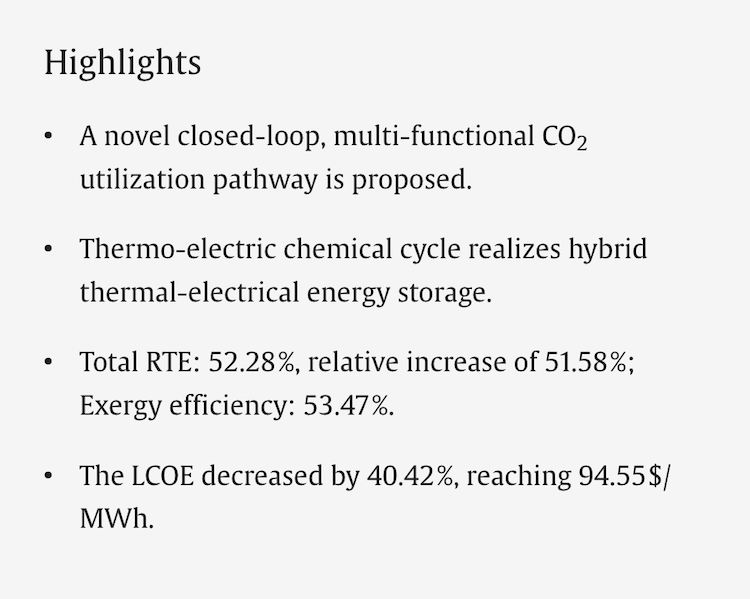
In concentrated solar thermochemical cycles, CO2 utilization enables both energy storage and release. However, the high energy consumption associated with CO2 compression has limited the overall performance of solar power generation. In this work, an energy storage system coupling thermochemical and electrochemical cycles is proposed. This system constructs a “heat storage − electricity storage − electricity release − heat release” closed-loop path for the multi-functional utilization of CO2, achieving efficient and low-cost green power production. Energy analysis showed that the thermoelectric cycle coupling enabled the thermochemical subsystem to achieve a round-trip efficiency of 37.78 %, which represented a relative increase of 9.54 % compared to the conventional thermochemical system. Furthermore, the peak round-trip efficiency of the electrochemical subsystem is 74.70 %. The hybrid system achieved a maximum round-trip efficiency of 52.28%. Exergy analysis revealed that the thermochemical subsystem achieved an exergy efficiency of 41.55 %. The hybrid system achieved an exergy efficiency of 53.47%, with a relative increase of 28.69 %. Economic analysis showed that the hybrid system achieved the levelized cost of 94.55 $/MWh, representing a reduction of 40.42 % compared to the conventional thermochemical storage system. Therefore, this hybrid system has great potential for the multi-functional utilization of CO2.
Yang Yu, Zhipeng Zhang, Binjian Nie, Nan He, Qicheng Chen, Zhihui Wang, Liang Yao, Constructing a novel closed-loop and efficient pathway for multi-functional CO2 utilization in concentrated solar power systems, Energy Conversion and Management, Volume 353, 2026, 121187, ISSN 0196-8904, https://doi.org/10.1016/j.enconman.2026.12118
The post Published at Energy Conversion and Management – Constructing a novel closed-loop and efficient pathway for multi-functional CO2 utilization in concentrated solar power systems appeared first on SolarPACES.
Abstract:
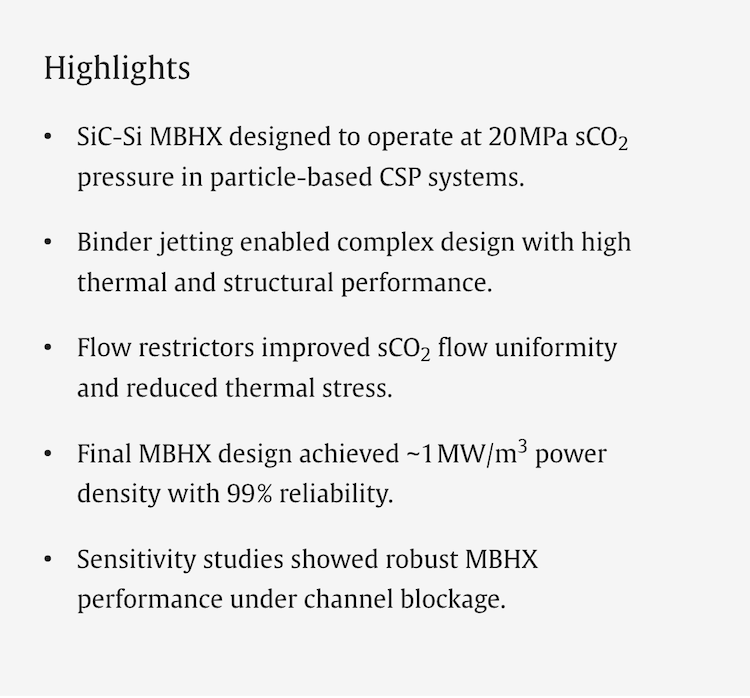
Particle-based concentrating solar power systems integrated with sCO2 power cycles offer high thermal efficiencies but require durable heat exchangers to transfer heat from high-temperature particles to the sCO2 working fluid. This study presents the design and optimization of a silicon carbide-silicon moving packed-bed heat exchanger for fabrication via binder jetting additive manufacturing. The heat exchanger was designed to withstand a 20 MPa sCO2 pressure and operate at particle inlet temperatures up to 750 °C. The final design features 152 sCO2 channels distributed across 19 plates, with elliptical corners and a minimum wall thickness of 3 mm. Flow restrictors at the sCO2 channel inlets significantly improved flow uniformity, reducing thermal stresses and achieving a structural reliability of 99 % under representative operating conditions. The heat exchanger delivers a thermal duty of 9 kW and a volumetric power density of approximately 1 MW/m3 in the channel region. Sensitivity studies confirmed the heat exchanger’s robustness under varying operating conditions, demonstrating its viability as a high-performance alternative to metallic heat exchangers for particle-based high-temperature concentrating solar power applications.
Bipul Barua, Christopher P Bowen, Wenhua Yu, Wenchao Du, David M France, Kevin Albrecht, Mark C. Messner, Dileep Singh, Design of a SiC-Si moving packed-bed particle-to-sCO2 heat exchanger for high temperature concentrating solar power applications, Solar Energy, Volume 303, 2026, 114114, ISSN 0038-092X, https://doi.org/10.1016/j.solener.2025.114114
The post Published at Solar Energy – Design of a SiC-Si moving packed-bed particle-to-sCO2 heat exchanger for high temperature concentrating solar power applications appeared first on SolarPACES.
Abstract:
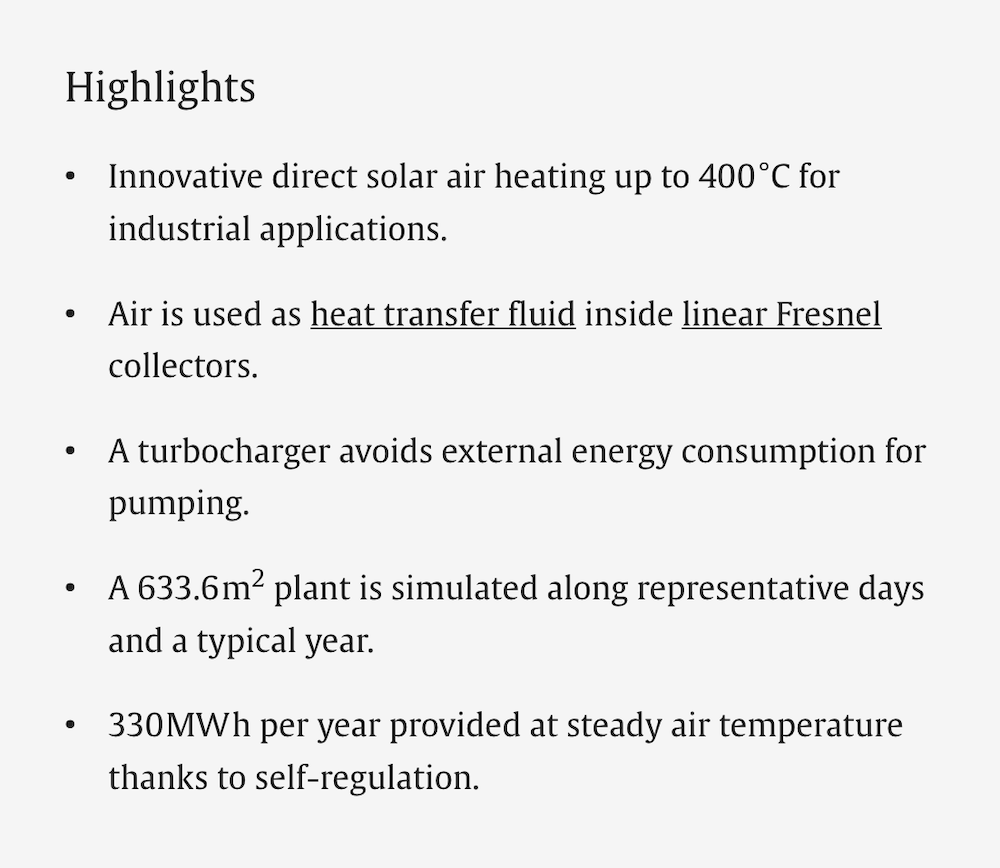
The study analyzes an innovative concentrating solar thermal system aimed at the direct production of hot air for industrial applications. Air is heated inside linear Fresnel collectors in an open to atmosphere circuit, not requiring the use of a primary heat transfer fluid and a heat exchanger, with their associated cost and maintenance. Matching an automotive turbocharger with the solar field avoids auxiliary energy consumption for pumping the airflow. The detailed quasi-steady numerical model implemented, including commercial collector and turbocharger technical features, allows to scrutinize the daily and yearly operating time profile of a medium scale plant with a 633.6 m2 solar field. Considering the typical meteorological year of the selected location (Madrid, Spain), the numerical results indicate that hot air is provided at a remarkable quasi-constant temperature between 300 °C and 400 °C despite the solar variations, delivering 330 MW h per year without overheating the receiver evacuated tubes.
Antonio Famiglietti, Antonio Lecuona, Mercedes Ibarra, Javier Roa, Turbo-assisted direct solar air heater for medium temperature industrial processes using Linear Fresnel Collectors. Assessment on daily and yearly basis, Energy, Volume 223, 2021,120011, ISSN 0360-5442, https://doi.org/10.1016/j.energy.2021.120011
The post Published at Energy – Turbo-assisted direct solar air heater for medium temperature industrial processes using Linear Fresnel Collectors. Assessment on daily and yearly basis appeared first on SolarPACES.
Abstract:
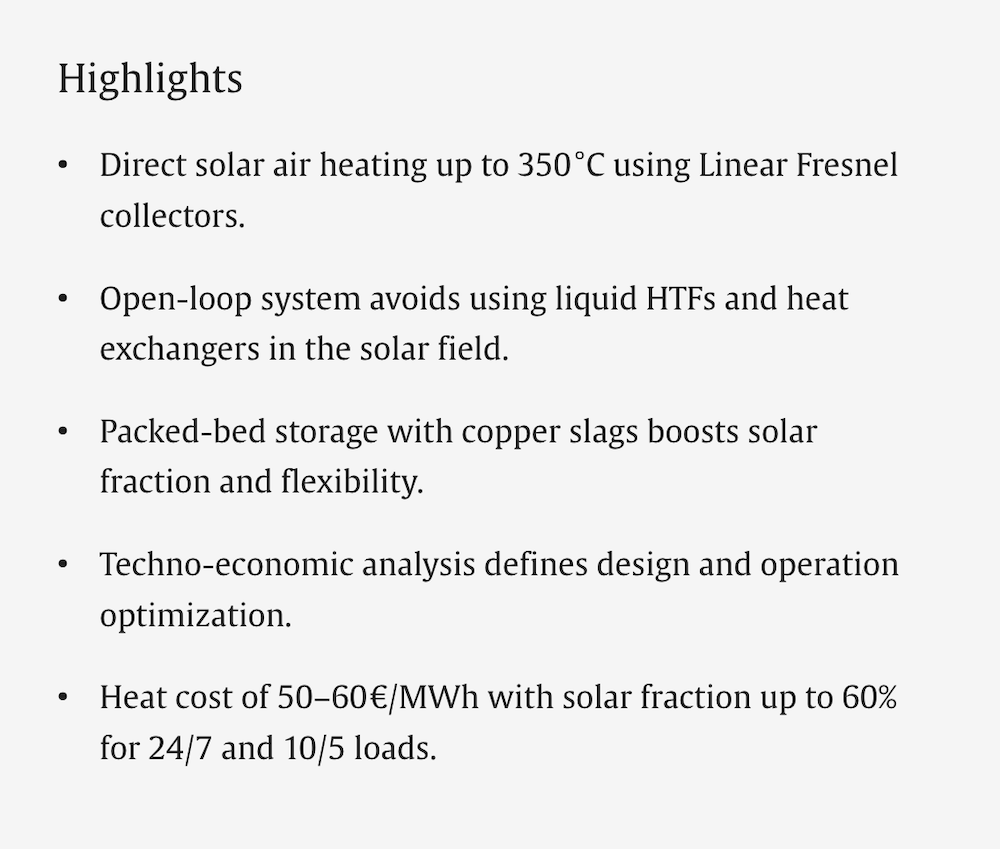
Among the solar thermal technologies, the Linear Fresnel collector can provide solar heat for industrial processes in the medium temperature range of 150–400 °C. Hot air is widely used as a process medium in several industrial processes, such as drying, curing, and cooking. Although steam, pressurized water, and thermal oil are widely used heat transfer fluids in the solar field, the use of air appears as an interesting alternative; it reduces installation costs as well as the risks associated with leakages, and it enables a direct coupling with the air-based thermal processes. This work proposes an innovative layout using Linear Fresnel collectors for direct solar air heating up to 350 °C in an open-to-atmosphere circuit, avoiding liquid heat transfer fluid in the solar field and heat exchangers. A packed-bed thermal energy storage using copper slags as the filler material is coupled with the concentrating solar air heater to increase the solar fraction to the medium- temperature industrial process. A comprehensive techno-economic analysis is carried out to assess the viability of the proposed concept, establishing the design methodology and operation strategy for improving economic performance. The solar system of 360 kW peak thermal power is integrated on an air-based industrial process having a natural gas burner as the conventional heat source, considering four different demand profiles. A methodology for optimizing the packed-bed size is implemented. A levelized heat cost between 50 – 60 €/MWh is achieved by the combined system. Besides, the demand profiles 24/7 and 10/5 are found to have the highest potential to integrate the proposed system, enabling high solar fraction up to 0.6 with limited cost increase.
Antonio Famiglietti, Ignacio Calderón-Vásquez, José Miguel Cardemil, Ian Wolde, Ruben Abbas, Techno-economic assessment of a concentrating solar air heater and packed-bed thermal energy storage for medium-temperature industrial process heat, Thermal Science and Engineering Progress, Volume 70, 2026, 104529, ISSN 2451-9049, https://doi.org/10.1016/j.tsep.2026.104529
The post Published at Thermal Science and Enginering Progress – Techno-economic assessment of a concentrating solar air heater and packed-bed thermal energy storage for medium-temperature industrial process heat appeared first on SolarPACES.
Source: China Solar thermal Alliance
On November 28, 2025, the China Renewable Energy Society (CRES) announced the list of winners of 2025 CRES Science and Technology Awards, including 10 first prize winners, 12 second prize winners, 13 third prize winners, 1 Science and Technology Achievement Award winner, five Science and Technology Innovation Award winners, and 10 Young Scientist Award winners.
Dr. Wang Zhifeng, researcher at the Institute of Electrical Engineering, Chinese Academy of Sciences (IEECAS) and Chairman of CRES Concentrating Solar Power Committee, won the Science and Technology Achievement Award.
Wang Zhifeng, born in October 1963, holding a PhD in Engineering Thermophysics from Tsinghua University, Researcher and PhD Supervisor at IEECAS, Chairman of China Solar Thermal Alliance (CSTA), Vice President of the IEA-SolarPACES, Chairman of CRES Concentrating Solar Power Committee, Vice Chairman of the Solar Thermal Power Generation Professional Committee of China Electrotechnical Society (CES), Vice Chairman of the National Solar Thermal Power Generation Standardization Committee, one of the first specially appointed core backbone researchers of the CAS (2015), one of the first recipients of the National “Ten Thousand Talents Program” (2014), expert receiving special allowance of the State Council, winner of the Outstanding Contribution Award for Solar Thermal Energy Utilization in China (2016). He has twice been awarded the title of CAS Excellent Doctoral Supervisor. He has published a monograph on concentrating solar power (in Chinese, English, and Arabic), titled Design of Solar Thermal Power Plants, and more than 70 papers.
He has long been committed to the modeling and optimization of concentrating solar power (CSP) systems, as well as the research on photothermal conversion equipment and thermal energy storage. He proposed that the core scientific problem of solar thermal power generation is the coupling of unsteady light-heat-work processes, presented a roadmap for the development CSP technology, and proposed the concept of the 4th-generation CSP technology. He has presided over numerous major projects financed by the 863 Program and 973 Program (both are National High-Technology R&D Programs of China), the National Key R&D Program of China, and the National Natural Science Foundation of China, achieving multiple breakthroughs. As the project leader, he has led the construction of:
Asia’s first solar tower plant (2012);
China’s first cross-seasonal solar thermal energy storage project, achieving 210-day continuous thermal energy storage across different seasons (2021);
the world’s first CSP kiln for cement and ceramics firing (2022); and
the world’s first supercritical CO2 CSP system (2024).
The post Wang Zhifeng wins China’s Science and Technology Award 2025 appeared first on SolarPACES.
Source: China Solar Thermal Alliance: Blue Book 2025
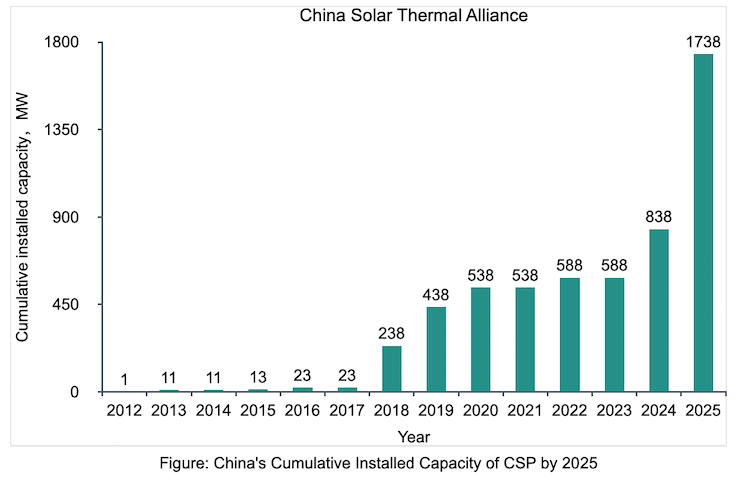
In 2025, China connected 9 new CSP plants to the grid, with a total installed capacity of 900 MW. By the end of 2025, China had built 27 CSP plants/systems, with a cumulative installed capacity of 1738.2 MW (including the country’s first 200 kW supercritical carbon dioxide solar thermal power experimental system), representing a 107% increase compared to 2024 and ranking third globally. Among this total, the installed capacity of grid-connected CSP plants reached 1720 MW.
On January 21, 2026, the Blue Book of China’s Concentrating Solar Power Industry (2025) (hereinafter referred to as the Blue Book) was officially released. Compiled jointly by the China Solar Thermal Thermal Alliance (CSTA) and the CSP Committee of the China Renewable Energy Society, the Blue Book was approved for publication by the Expert Committee of the CSTA.
Article 25 of the Energy Law of the People’s Republic of China, which came into effect on January 1, 2025, stipulates that “Actively develop Concentrating Solar Power (CSP) “, laying a solid legal foundation for the sustainable development of the sector.
In 2025, relevant national authorities issued more than ten policy documents related to CSP. Among them, the Some Opinions on Promoting the Large-scale Development of CSP, jointly issued by the National Development and Reform Commission and the National Energy Administration on December 23, 2025, is a specialized policy document.
The policy document explicitly states that CSP is an effective means to achieve the safe and reliable replacement of traditional energy with new energy, and a robust pillar for accelerating the construction of a new power system. The document emphasizes giving full play to the supporting and regulating role of solar thermal power generation in the new power system, tapping its potential as a green, low-carbon baseload power source, promoting the transformation of its system-level power supply value, and increasing the proportion of green and reliable supporting capacity in the new power system. It also supports solar thermal power plants equipped with electric heating systems to function as long-duration energy storage stations through the electricity market.
The Blue Book elaborates that solar thermal power generation is a system that converts solar radiation into thermal energy and then generates electricity through a heat-to-work conversion process. The main concentrating technologies for CSP include eight types: tower concentrating, trough concentrating, linear Fresnel concentrating, dish concentrating, wheel concentrating, rotating tower concentrating, secondary and multi-reflection concentrating, and transmissive concentrating.
According to statistics from the CSTA and the CSP Committee of the China Renewable Energy Society, approximately 25 solar thermal power projects were in the substantive construction phase, with a total installed capacity of 3000 MW. Notably, two 350 MW standalone solar thermal power plants commenced construction at the end of 2025. The number of planned and pending solar thermal power projects in China stood at around 31, with a total installed capacity of approximately 4050 MW (excluding projects with unspecified installed capacity).
According to the target set forth in the Several Opinions on Promoting the Large-scale Development of Solar Thermal Power Generation, by 2030, China’s total installed capacity of solar thermal power generation is expected to reach around 15,000 MW. Assuming all planned and pending projects are implemented, an additional approximately 6000 MW of installed capacity will need to be developed and constructed in the next five years based on existing projects.
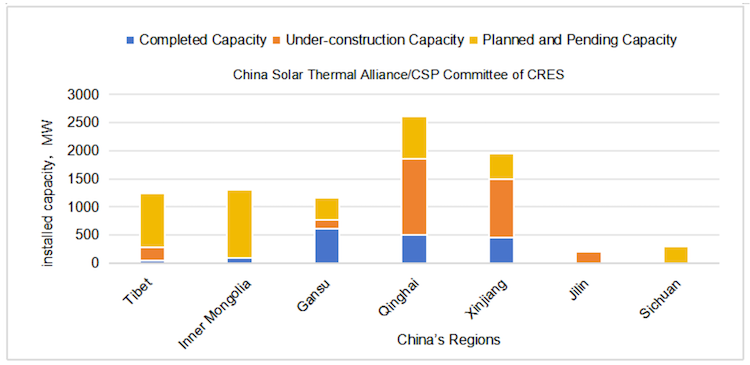
Regarding the construction of CSP plants across provinces and regions, Blue Book shows that by the end of 2025, Gansu Province had the largest cumulative installed capacity (621 MW, including the 1 MW rooftop linear Fresnel CSP system of Lanzhou Dacheng), followed by Qinghai Province (510 MW) and Xinjiang Uygur Autonomous Region (450 MW). Among under-construction projects, Qinghai Province led with the largest installed capacity under construction (1350 MW), followed by Xinjiang (1050 MW) and Tibet Autonomous Region (250 MW).
Based on public information and preliminary verification by the CSTA, Inner Mongolia Autonomous Region, Tibet Autonomous Region, and Qinghai Province ranked among the top in terms of planned and pending solar thermal power generation installed capacity, with a combined total of approximately 3000 MW.
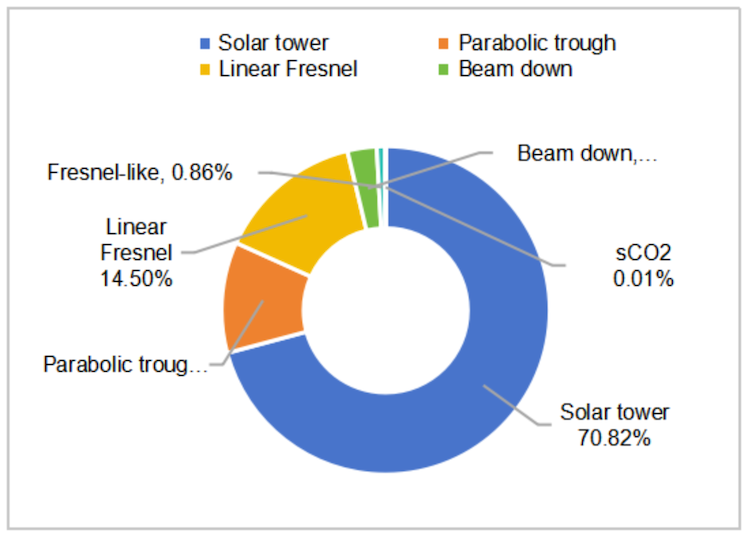
In terms of the market share of concentrating technologies, Blue Book shows that by the end of 2025, tower concentrating accounted for approximately 70.82% of China’s cumulative installed solar thermal power capacity, followed by trough concentrating (10.93%), linear Fresnel concentrating (14.50%), secondary reflection concentrating (2.88%), Fresnel-like concentrating (0.86%), and supercritical carbon dioxide concentrating (0.01%).
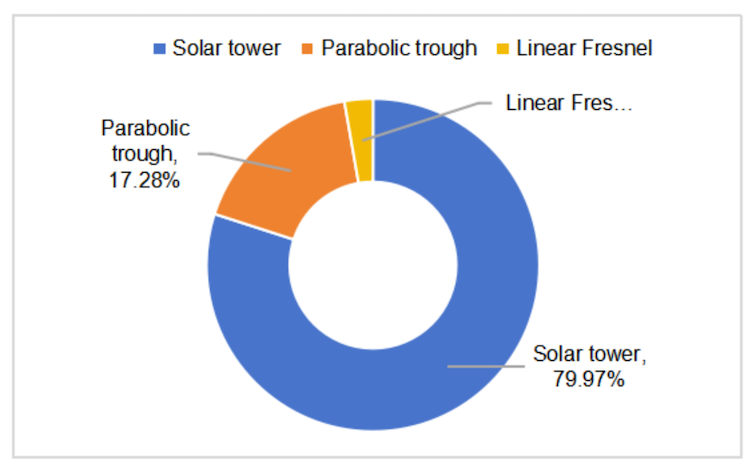
In contrast, in major overseas countries and regions, trough concentrating dominated with a share of about 79.97%, followed by tower concentrating (17.28%) and linear Fresnel concentrating (2.75%).
Regarding the operation of CSP demonstration projects, the Blue Book separately presents the technical parameters and annual operation data of the first batch of solar thermal power demonstration projects. Seven early-built solar thermal power plants achieved a total power generation of over 1.1789 billion kWh in 2025. The Luneng Golmud Multi-energy Complementary Project’s 50 MW tower solar thermal power plant generated 148.2327 million kWh in 2025, a year-on-year increase of 55.92%. The CSSC New Energy Urad Middle Banner 100 MW trough solar thermal power plant achieved an annual power generation of 301 million kWh in 2025, representing an 8.27% increase compared to 2024. Both the CGN Delingha 50 MW trough solar thermal demonstration power plant and the Shouhang High-tech Dunhuang 100 MW tower solar thermal power plant hit record-high annual power generation in 2025, with a year-on-year increase of approximately 3.7%. The Qinghai Zhongkong Delingha 50 MW tower solar thermal power plant completed its annual power generation target for the fourth consecutive year. The Lanzhou Dacheng Dunhuang 50 MW linear Fresnel solar thermal power plant mainly focused on further upgrading its operation and maintenance strategies in 2025, resulting in a 13.6% increase in annual power generation. The PowerChina Gonghe 50 MW tower solar thermal power plant saw a 6.4% year-on-year growth in annual power generation in 2025. Due to unit overhauls conducted from September to October 2025, the PowerChina Hami 50 MW tower solar thermal power plant experienced an impact on power generation, with an annual output of approximately 102.99 million kWh in 2025.
In terms of the industrial chain and production capacity, based on inquiries using professional software that considered five key factors—enterprise name, business scope, company profile, brand products, and enterprise status—the Blue Book reveals that there are approximately 6,610,686 large, medium, small, and micro-sized enterprises involved in solar thermal power generation in China, including 10,722 state-owned enterprises, 533,771 private enterprises, 3,469 foreign-invested enterprises, and 458,861 micro-enterprises. Within the industrial chain, there are 36,884 manufacturing enterprises, among which 4,011 are general equipment manufacturers and 1,460 are special equipment manufacturers. In terms of manufacturing capacity, taking the production capacity of flat mirrors as an example, based on the requirement that “the mirror field area of a 100 MW power plant should not be less than 800,000 square meters in principle”, the annual production capacity of major mirror manufacturers in China can support the construction of approximately 5,300 MW of solar thermal power plants.
In terms of technological R&D and achievement recognition, China launched 4 national key R&D program projects related to solar thermal power generation in 2025, with approximately 13 such projects under implementation during the year. Regarding standards, by the end of 2025, the International Electrotechnical Commission Technical Committee 117 (IEC/TC 117) had issued 11 international standards for solar thermal power generation. China currently has approximately 33 national standards in effect for solar thermal power generation, with 5 more in the drafting stage. In 2025, the National Energy Administration issued a total of 24 industry standard plans related to solar thermal power generation. By the end of 2025, the National Solar Thermal Industry Technology Innovation Strategic Alliance had released 22 alliance standards, including 14 standards specifically for solar thermal power generation. In 2025, several technological achievements related to solar thermal power generation participated in relevant award evaluations or were recognized by national authorities, with the number of awarded or recognized achievements increasing by approximately 71% compared to 2024.
Chapter 6 of the Blue Book elaborates on the techno-economic performance of solar thermal power generation. It shows that under the full power generation mode, the calculated levelized cost of electricity (LCOE) for parabolic trough, solar tower, and linear Fresnel CSP projects ranges from 0.426 CNY/kWh to 0.5323 CNY/kWh.
In terms of carbon emission reduction, the carbon footprint factor of solar thermal power generation was 0.0312 kgCO₂e/kWh in 2024, second only to nuclear power and hydropower. In 2025, the trading volume of Chinese Certified Emission Reductions (CCER) from grid-connected solar thermal power projects reached 1.0692 million tons, with a transaction value of 87 million CNY and an average transaction price of 81.58 CNY/ton (compared to an average transaction price of 69.27 CNY/ton for grid-connected offshore wind power projects).
The Blue Book indicates that through long-term operational verification, solar thermal power plants can achieve a maximum peak regulation rate of 10% per minute; existing projects have realized continuous operation for 230 days, with an annual equivalent full-load operation hour count reaching 3,300 hours. The Blue Book puts forward the following recommendations: expedite the research and formulation of a compensation mechanism for solar thermal power generation as a supporting power source; strengthen top-level design and planning guidance; fully summarize and evaluate the construction and operational experience of integrated solar thermal and photovoltaic projects; promote the large-scale and diversified development of solar thermal power generation in a classified manner; and accelerate technological and industrial innovation in solar thermal power generation.
The Blue Book consists of 9 chapters, including: Overview of Solar Thermal Power Generation Technologies, Market Development of Solar Thermal Power Generation, Operation of Solar Thermal Power Generation Demonstration Projects, Industrial Chain of Solar Thermal Power Generation, Technological R&D of Solar Thermal Power Generation, Techno-economic Performance of Solar Thermal Power Generation, Carbon Emission Reduction of Solar Thermal Power Generation, Development Recommendations for Solar Thermal Power Generation, and Appendices.
You can download the Chinese version of the Blue Book from the official website of the China Solar Thermal Alliance.
The post China connects 9 more CSP projects in 2025 for 27 total appeared first on SolarPACES.

DUBAI, January 26, 2026 — GlassPoint, the leader in solar industrial process heat, today announced it has closed a $20M funding round led by N.I.S. New Investment Solutions, a Liechtenstein-based asset management firm, with participation from returning investor MIG Capital. The investment will advance existing megaprojects with Searles Valley Minerals in California and Ma’aden in Saudi Arabia, as well as power expansion across the globe with a focus on projects in the U.S. Southwest, Southern Europe, the Middle East and South America.
More energy is used globally in the form of industrial process heat (26%) than all forms of electricity combined (20%), according to the International Energy Agency. Unlike electricity, industrial process heat is notoriously difficult to decarbonize, primarily due to the low cost of burning fossil fuels to generate heat.
More than 50% of industry is located in regions sunny enough to benefit from GlassPoint technology. In those locations, GlassPoint’s technology delivers superior economics for industrial process heat compared to burning fossil fuels or electrification.
“In many parts of the world, solar energy is now the lowest cost source of industrial power, creating an opportunity to simultaneously reduce operating costs and emissions,“ said Takashi Sato, Founder of N.I.S. “GlassPoint is a proven solution for this moment and has already won the confidence of some of the most discerning industrial organizations in the world, from oil and gas leaders to mining titans.”
“GlassPoint provides industry leaders with a proven solution to deliver industrial process heat at the lowest cost,” said Rod MacGregor, Chief Executive Officer at GlassPoint. “With this latest round of financing, we will expand into several new global markets where GlassPoint’s technology delivers compelling value. We look forward to helping leaders across mining, oil & gas, and building materials achieve a significant cost advantage against their competitors.”
The funding comes on the heels of GlassPoint’s partnership with Searles Valley Minerals to deploy 750 MWth of GlassPoint’s advanced solar technology to reduce costs while beginning to decommission the last two coal-fired plants in California. The company continues to advance its flagship 1.5 GWth project with Ma’aden to decarbonize a bauxite refinery in Saudi Arabia and help the Kingdom meet aggressive sustainability goals. Additionally, GlassPoint’s 330 MWth deployment in Oman has been providing steam on a daily basis since 2017.
GlassPoint’s unmatched ability to deploy at scale is based on multiple industry-first technologies.
GlassPoint’s Enclosed Trough is the lowest-cost way to convert sunlight into industrial heat, delivering nearly 70% of the energy available in sunlight directly to the customer.
GlassPoint’s Unify Storage System stores solar heat during the day and releases it at night, enabling an uninterrupted supply of clean thermal energy whenever it is needed.
With the new funding, GlassPoint is expanding its Technology Center in Stuttgart, Germany, with leading technologists and engineers. The company is also hiring business development, engineering, and finance talent in Dubai and the United States.
About GlassPoint
GlassPoint is the leader in solar industrial process heat, with its technology powering 60% of the world’s solar industrial steam capacity. With the only solar industrial process heat solution proven at scale, GlassPoint delivers superior unit economics compared to fossil fuels and electrification. GlassPoint is helping industrial organizations significantly lower costs while delivering a reliable source of carbon-free steam. The company builds, owns and operates large-scale solar steam facilities to reduce carbon emissions in hard-to-abate industries such as mining and metals, chemicals, construction materials, oil and gas, desalination and more. Learn more at glasspoint.com.
About MIG Capital
MIG Capital is one of the leading German VC investors. Through its MIG funds, MIG invests in young deep tech and life sciences companies in German-speaking Europe and beyond. To date, the company has invested over €770 million in approx. 60 start-ups. MIG portfolio companies develop innovations in areas including biopharmaceuticals, energy and environmental technologies, advanced computing, digitalization / IoT, medical technology, and digital health. The MIG investment portfolio currently consists of more than 30 companies.
MIG’s investment team is made up of a dedicated group of engineers, scientists, physicians and entrepreneurs who use analytical and creative processes to assess the risks and opportunities of business models and technologies. Their reputation, experience and network provide excellent access to companies, institutions and decision-makers to support the growth of their portfolio companies.
In recent years, MIG Capital has realized more than ten successful portfolio company sales, including Siltectra (to Infineon) and Hemovent (to MicroPort). It has placed several companies on the stock exchange including BRAIN, NFON, BioNTech, and Immatics.
For further information, please visit www.mig.ag, www.mig-
Joshua Toledo
M: 347.478.1768
The post Glasspoint closes $20 million solar fund for global industrial heat appeared first on SolarPACES.
The post SolarPACES Conference 2026 to be held in Germany appeared first on SolarPACES.
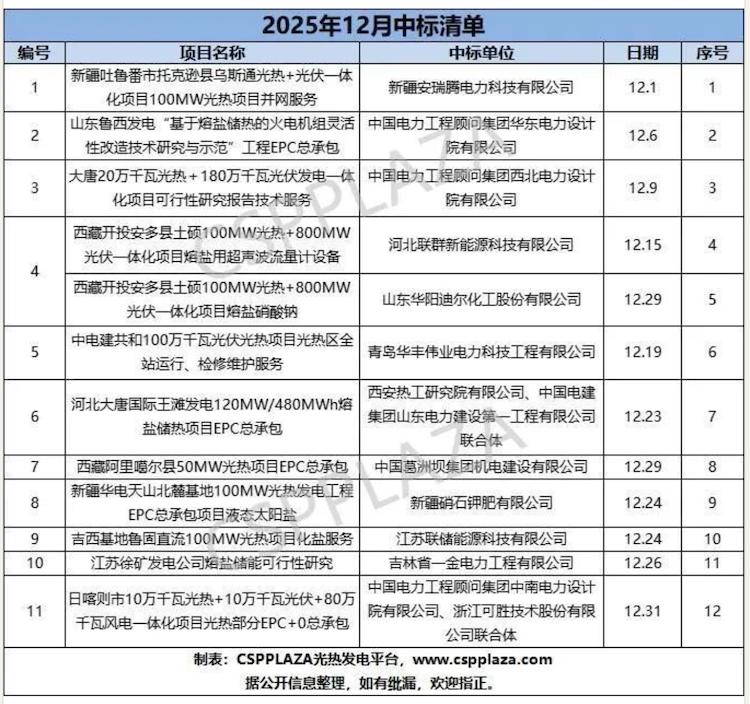
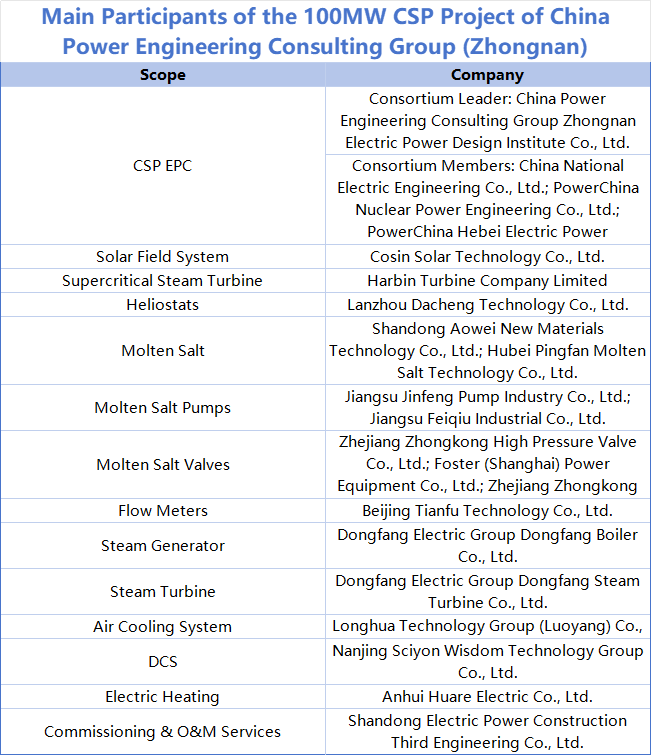
According to incomplete statistics from CSPPLAZA, a total of 12 important tenders across 11 CSP/molten salt thermal storage-related projects were completed in December 2025.
December 2025 saw significant progress in both concentrated solar power (CSP) and molten salt thermal storage, with key milestones reached in multiple major projects:
In the CSP sector, EPC contractors were finalized for the 50MW solar thermal project in Ga’er County, Ngari, Tibet, and the 100MW solar thermal project in Xigazê City. Both projects are scheduled to commence construction in March 2026. Additionally, the feasibility study was awarded for China Datang Corporation’s 200MW CSP + 1,800MW photovoltaic integrated power generation project.
In the molten salt thermal storage sector, EPC contractors were successfully selected for two projects: Shandong Luxi Power Generation’s “Research and Demonstration of Flexibility Transformation Technology for Thermal Power Units Based on Molten Salt Thermal Storage” and Hebei Datang International Wangtan Power Generation’s 120MW/480MWh molten salt thermal storage project. Meanwhile, Jiangsu Xukuang Power Generation Company’s molten salt energy storage project is actively advancing its preliminary work.
Source: Jennifer Zhang at LinkedIn for CSPPlaza
The post 12 concentrated solar and thermal energy storage tenders in China last month appeared first on SolarPACES.
