Sion Power is expanding its Licerion® lithium-metal battery program to supply cells and battery systems for US defense and aerospace. The cells are engineered to exceed 500 Wh/kg, up to 200 Wh/kg more than current advanced lithium-ion technology, even with silicon anode enhancements.
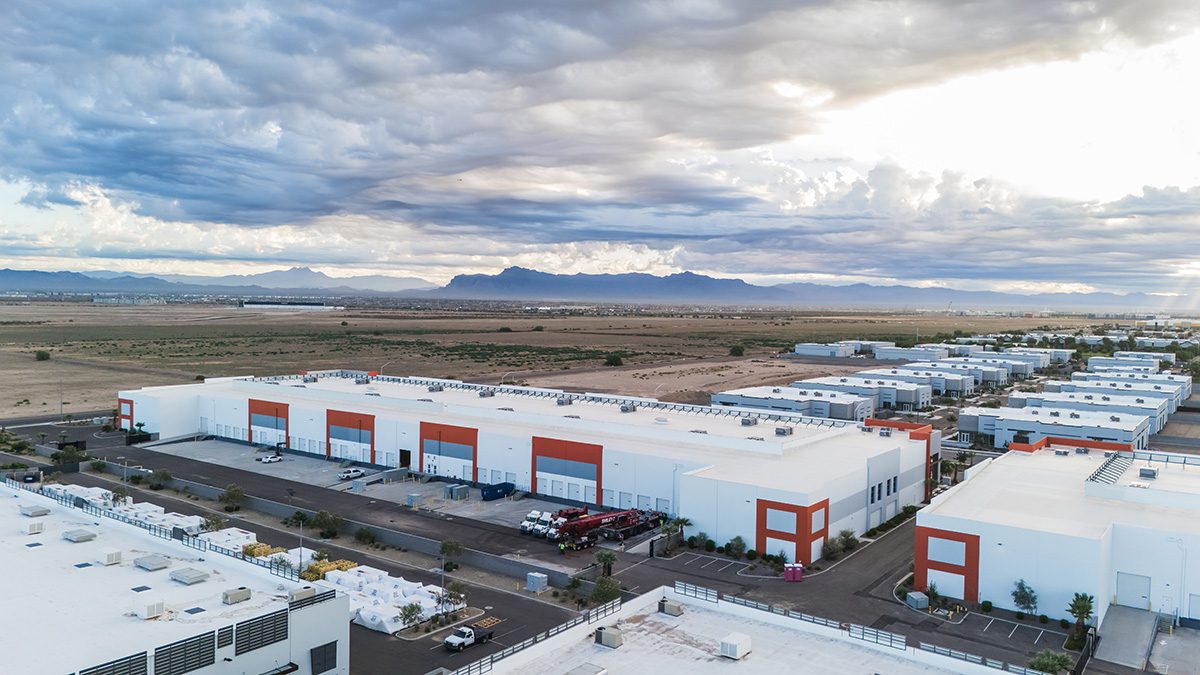
The platform covers both primary (single-discharge) and secondary (rechargeable) configurations. Target applications include long-endurance UAS, tactical and counter-UAS drones, missile and loitering munition platforms, autonomous maritime and ground vehicles and space systems. Sion Power operates a 110,000 sq ft cell manufacturing facility in Tucson, Arizona, and says it can demonstrate cells and integrated battery systems today, and expects initial product shipments in late 2026.
Lithium-metal anodes store substantially more energy per kilogram than graphite because lithium metal is lighter and more electrochemically active. For weight-constrained platforms, closing the gap from 300-350 Wh/kg for advanced Li-ion to 500+ Wh/kg translates directly into longer endurance and expanded payload capacity. Sion Power’s expansion also responds to US policy momentum—NDAA provisions support domestic battery supply chains and highlight demand for American-manufactured advanced cells.
“Our lithium-metal technology provides the step-change in energy density required to support longer-range missions, increased flight duration and higher payload capability while maintaining a U.S.-based manufacturing capability aligned with national security priorities,” said Pamela Fletcher, CEO of Sion Power.
“By combining high-energy lithium-metal chemistry with advanced battery pack engineering, Sion Power enables defense integrators to unlock two to three times increases in mission endurance, significantly extended operational range and dramatically higher payload capacity compared with conventional lithium-ion and lithium-polymer batteries used in today’s unmanned systems,” said Tracy Kelley, chief science officer at Sion Power.
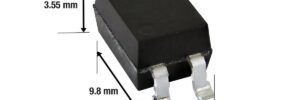
Vishay Intertechnology has launched the VODA1275, an automotive-grade photovoltaic MOSFET driver that delivers 8 mm creepage distance and CTI 600 mold compound in a compact SMD-4 package. The device targets high voltage automotive applications including pre-charge circuits, wall chargers, and battery management systems for EVs and HEVs.
The VODA1275 delivers 20 V open circuit voltage, 20 μA short circuit current, and 80 μs turn-on time—three times faster than competing devices, according to Vishay. The driver provides reinforced isolation with a working isolation voltage of 1260 Vpeak and isolation test voltage of 5300 VRMS, making it suitable for 800 V+ battery systems. The device is AEC-Q102 qualified and meets automotive reliability standards.
The high open circuit voltage allows designers to use a single MOSFET driver instead of two drivers in series, which was previously required for higher voltage applications. This simplifies circuit design and reduces component count in systems that need to drive MOSFETs and IGBTs reliably at high voltages. The driver can also enable custom solid-state relays to replace electromechanical relays in next-generation vehicles.
The optically isolated device draws power from an infrared emitter on the low voltage side, eliminating the need for an external power supply on the isolated side. “The VODA1275 features the industry’s fastest turn-on times and the highest open circuit voltage and short circuit current in its class,” the company stated. The driver is RoHS-compliant and halogen-free. Samples and production quantities are available now with eight-week lead times, priced at $1.20 per piece for US delivery.
Bosch Rexroth has introduced the TS 7plus, a fully electric roller conveyor designed for heavy-payload manufacturing lines. The company says it’s the world’s first freely configurable, fully electric transfer system for loads up to 3,000 kg, targeting automotive, battery and aerospace/defense assembly.
The TS 7plus runs on modular sections using solid or hollow rollers roughly 50% larger than those in the predecessor TS 7 system. The larger rollers reduce moving parts per meter, which Bosch Rexroth says improves availability. Standard workpiece pallets go up to 2,200 x 3,000 mm, minimum transport height is 350 mm for both longitudinal and transverse conveying, and conveyor speed reaches 24 m/min—Bosch Rexroth says that’s significantly faster than AGVs. A redesigned bearing block with two mounting tabs speeds assembly and simplifies maintenance and replacement.
Drive is via lubrication-free king shafts with bevel gears, eliminating the re-tensioning and lubrication demands of chain drives. Motors come in 180 W and 250 W variants with a third-party interface, and can mount inside or outside the conveyor section. Internal mounting clears the working area of interfering contours, the bevel gear path also keeps lubricants away from workpieces.
The system supports two operating modes: conventional accumulation with stop gates, and a segmented mode where each motor section runs only when required. Segmented operation cuts energy consumption over the full lifecycle and allows smaller motors to be specified, extending service life. Configuration is handled by MTpro planning software—available as a local install or as the browser-based MTpro Online Designer—which auto-generates CAD models and parts lists from the standard-component builds for export to the Rexroth Store or certified partners.
The electric vehicle market is emerging as a leading field for advanced heating technologies. In EVs, heating systems are essential not only for passenger comfort but also fundamental to thermal management, keeping battery cells within their optimal temperature range in cold climates. Proper thermal control enables faster and more efficient charging, longer driving range, and extended battery life. To achieve this, EV battery heaters must be compact, lightweight, reliable, energy-efficient, and durable under demanding conditions.
Thick-film heaters on steel (HoS) are advancing as a next-generation solution, gaining adoption in Asia due to their high-power density, design flexibility, and proven resilience in harsh environments. Unlike conventional systems such as heat pumps, cartridge heaters, or positive temperature coefficient (PTC) ceramic heaters, HoS technology offers superior efficiency, reduced size and weight, and faster thermal response.
This paper reviews traditional EV battery heating methods, outlines the performance advantages of HoS technology, and examines the market forces driving innovation in thermal management. A case study is also presented that demonstrates how HoS technology is enabling progress in electric mobility.
Magna, one of the world’s largest automotive suppliers, has introduced DHD REX, a single-motor dedicated hybrid drive for range extended electric vehicles (REEVs). The ready-to-integrate system is built on a modular architecture designed for OEMs operating across markets with different regulatory requirements, infrastructure conditions and customer expectations.
DHD REX runs in three modes: pure electric driving, a generating mode in which the ICE charges the battery for range extension, and an optional parallel hybrid mode for highway performance. The single-motor design reduces cost and packaging complexity compared to dual-motor configurations. Magna says the system is validated across B through E vehicle segments in AWD layouts including SUVs, and integrates into both ICE-based platforms and BEV-derived architectures.
In a range extended EV, the combustion engine runs as a generator in most conditions rather than driving the wheels—the electric motor handles propulsion. DHD REX’s optional parallel mode adds the ability for the ICE to contribute mechanical drive at highway speeds, where the efficiency penalty of the generator-motor conversion path is most pronounced.
DHD REX complements Magna’s DHD Duo, a dual e-motor dedicated hybrid already in series production. The single-motor architecture targets OEMs that want range extension capability without the cost and packaging of a two-motor system, and the modular design adapts to both ICE-based platforms being electrified and native BEV architectures adding a range extender.
“DHD REX reflects our commitment to adaptable, customer-focused solutions that support a wide range of performance and market expectations,” said Diba Ilunga, President Magna Powertrain.
Off-the-shelf controllers with safety certifications are giving e-mobility engineers a false sense of security.
An off-the-shelf BMS with a third-party functional safety certification sounds like a solved problem. SIL-rated, ASIL-rated, ready to drop into your e-mobility battery pack. But according to Rich Byczek, Global Chief Engineer for Batteries at Intertek, that certification probably doesn’t cover what you think it covers.
“Certified BMS systems, meaning certified systems that have functional safety certifications from a third party, don’t necessarily address these functions,” Byczek told Charged during a recent webinar (now available to watch on demand). “They just look at the controller as a more generic electrical system.”
The problem: most certifications evaluate the controller hardware against a general integrity standard (IEC 61508, ISO 26262 or ISO 13849). They verify that the electronics are reliable. They don’t verify that the controller monitors individual cell voltages, manages cell-level temperature limits or handles the specific failure modes of lithium-ion chemistry.
Fuses don’t protect at the cell level
The gap is sharpest with passive protection. A pack-level fuse can interrupt a gross overcurrent event, but it’s blind to an individual cell in a series string being driven past its voltage limits. That requires active, per-cell monitoring, and a generic certified controller may not have the inputs and outputs to deliver it.
For e-mobility systems specifically, Byczek stressed that the failure modes and effects analysis (FMEA) must evaluate overvoltage, undervoltage, overcharge, overdischarge, over- and under-temperature, short circuit and excessive current, all at the cell level. “We look at those at the cell level, not only at the macro or battery pack level,” he said.
This is a different world from portable devices, where legacy standards like IEC 62133 rely on type tests and single-fault evaluations. Those standards were designed for products a user could set down and walk away from.
E-mobility doesn’t work that way. “You’re literally riding on top of that battery, potentially going at a fairly high speed,” said Byczek. “You can’t just get away from it.”
Start with the FMEA, not the certificate
The fix isn’t complicated, but it does require work. Start with an FMEA that covers every safety-critical function your BMS must perform, at the cell level. Then verify that your controller (certified or not) actually has the architecture to deliver each one. A certified controller is a starting point, not a finish line.
The standards themselves can be mixed and matched. SIL, ASIL and Performance Levels don’t map one-to-one, but regulators accept cross-framework approaches as long as your risk assessment demonstrably covers every identified hazard. For BMS systems, you’re typically targeting SIL 2, ASIL B or PLc, but the specific level matters less than proving your system can fail safely when a sensor drifts, a resistor opens or a communication link drops.
For teams pivoting from automotive EV programs into adjacent markets like forklifts, floor scrubbers and personal mobility devices, this is the adjustment that matters most. The batteries may be smaller, but the safety obligations are not.
Watch the full webinar: Rich Byczek’s complete presentation on applying functional safety to e-mobility battery systems is available on demand.
ENNOVI has secured a German patent for its adhesive-free lamination technology for battery cell contacting systems (CCS). The laser-based process eliminates the adhesives used in conventional hot and cold lamination, and the company says the technology is already validated—meaning OEMs can adopt it without having to prove out the manufacturing process themselves.
CCS components connect and integrate individual cells within a battery module, typically combining busbars, voltage sense lines and the physical laminate layers that hold them together. Conventional CCS lamination bonds those layers using adhesives in hot or cold press processes. ENNOVI’s laser lamination achieves the same bond without adhesive material. The technology supports cylindrical, prismatic and soft pouch cell architectures. With this patent, ENNOVI now offers three lamination options (hot, cold and adhesive-free) for its CCS designs, giving battery engineers a process choice matched to their cell format.
The patent’s main commercial argument is risk reduction. Developing a new lamination process in-house takes time and carries qualification uncertainty; using a pre-validated, patented technology lets engineering teams skip that work. ENNOVI supports co-development and tailored engineering engagement, which it says allows OEM partners to maintain control over their product roadmaps.
The technology was developed at ENNOVI’s Advanced Solutions Engineering Center in Neckarsulm, which includes prototyping, testing and R&D capabilities. The facility holds ISO 9001:2015 and TISAX certifications—the latter covering automotive supply chain data security requirements.
“Automotive OEMs and battery manufacturers can design in the unique features of adhesive-free lamination, reduce engineering risk by using a technology that is already validated, rather than reinventing it,” said Randy Tan, Product Portfolio Director for Energy Systems at ENNOVI.
Due to the rising global demand for sustainable chemicals, the bio-based polymer market is anticipated to expand substantially in the future, based on industry forecasts. The primary driving force behind the development of bio-based polymers is their use of renewable, plant-based content which is critical given the public’s concern on the use of fossil fuels. Significant advancements in the method for refining biomass raw materials towards the creation of bio-based construction materials and products are driving this rise.
Are you ready to revolutionize your approach to electronic component protection? Discover the groundbreaking advancements in bio-based heat shrink tubing materials that are setting new standards in sustainability and performance. This exclusive whitepaper delves into the latest innovations and market trends, providing you with the insights needed to stay ahead in the industry.
Here’s what you’ll learn:
Market Dynamics: Understand the driving forces behind the growth of bio-based polymers and their impact on the industry
Scientific Innovations: Explore the latest advancements in polymer chemistry and the development of bio-based materials
Environmental Impact: Learn how bio-based polymers reduce greenhouse gas emissions and reliance on fossil fuels
Application Benefits: Discover the versatility, durability, and safety features of bio-based heat shrink tubing in various applications.
Cyclic Materials has closed a $75-million Series C equity round to scale its rare earth element recycling operations across the US and Europe and accelerate its Canada-based research and development footprint. The company says the funding will speed deployment of locally anchored recycling infrastructure for magnet-containing end-of-life scrap and magnet production waste—materials it processes to produce magnet rare earth elements, including heavy rare earth elements that it notes are less commonly available from Western mining deposits.
Cyclic Materials says that the new capital will support commercial rollout and global expansion with “a substantial focus” on North American market needs.
Cyclic Materials operates a two-stage physical and hydrometallurgical recycling technology to produce rare earth elements from end-of-life products and magnet production waste. It claims its approach reduces carbon footprint by 61.2%, cuts water use to five percent of what mining requires, and achieves recovery rates exceeding 98%. The company also says its recycling infrastructure can be deployed years faster than traditional mining projects, and it positions the system as a pathway to supply heavy rare earths used in high-performance permanent magnets.
Cyclic Materials’ Mesa, Arizona site, the very first scale-up of a commercial plant for recycling and local production of rare earths in the US, with a focus on heavy and light rare earth magnets.
Cyclic Materials says its proprietary technologies can economically and sustainably recover critical raw materials from end-of-life electric vehicle motors (as well as wind turbines, MRI machines, and data center electronic waste). The company links these feedstocks to demand growth in e-mobility and other permanent-magnet-driven systems.
Canada-based Northern Graphite and Saudi industrial group Obeikan Investment have signed a financing agreement to jointly develop and operate a large-scale battery anode material (BAM) facility in Saudi Arabia through a joint venture company.
The $200-million BAM facility will have an initial annual production capacity of 25,000 tonnes. Construction of the facility is expected to start in 2026 and first-phase production is expected to begin in 2028. The facility will be scalable over time to meet growing global demand for graphite anode materials sourced outside of China.
The facility will be located in Yanbu, a strategically positioned industrial and logistics hub on the Red Sea that has direct access to European, North American and Middle Eastern markets.
Obeikan will hold a 51% stake in the joint venture company and Northern Graphite will hold 49%.
Obeikan will lead the organizing of local debt funding required to finance construction, development and commissioning of the plant. The partners will provide the remaining funding as equity in proportion to their ownership interests and through commercial banks.
Northern and Obeikan are in negotiations with battery manufacturers to secure long-term offtake agreements for the initial 25,000 tonnes per year of production. The joint venture will also enter into a long-term offtake agreement to purchase up to 50,000 tonnes of graphite concentrate annually from Northern’s Okanjande project in Namibia. That agreement will accelerate the restart and potential expansion of the graphite mine, which has been in a care and maintenance status since 2018.
“We are partnering with a well-financed and experienced industrial player, gaining scale, financing strength, and access to one of the world’s most strategically important industrial hubs, while accelerating the restart of our Okanjande mine in Namibia and advancing our broader mine-to-market strategy,” said Hugues Jacquemin, Chief Executive Officer of Northern Graphite.
Heilind Electronics is adding the Molex SideWize High-Voltage Connectors to its portfolio of high-power interconnect solutions. The connectors target space-constrained, high-power designs where engineers are balancing packaging, electrical safety and power density in power-distribution hardware, like EV charging systems, data-center power shelves, UPS equipment and industrial automation.
The Molex SideWize Connectors use a right-angle architecture intended to maximize power transfer in constrained environments. The connectors are rated up to 80 A and 1,500 V per UL 4128, positioning them for high-voltage, high-current systems. The design supports higher-wattage, denser power architectures “without increasing heat generation or installation complexity.”
The right-angle design is intended to eliminate cable bend-radius challenges, while color-coding, positive locking, and 360° cable rotation are meant to simplify mating and reduce cable wear.
The global electric vehicle industry is experiencing rapid growth, driving an urgent demand for power conversion systems that are not only efficient but also highly reliable. Among these, the on-board charger (OBC) is a critical component, tasked with converting alternating current (AC) from various charging infrastructures, residential, commercial, or public, into direct current (DC) suitable for charging high-voltage battery systems.
The performance and safety of the OBC directly impact overall vehicle efficiency, battery health, and user experience. As the EV ecosystem evolves to incorporate advanced functionalities such as vehicle-to-grid (V2G), vehicle-to-home (V2H), and modular, distributed power electronics, the requirements for testing and validation have become more complex and rigorous, particularly under variable and dynamic electrical conditions.
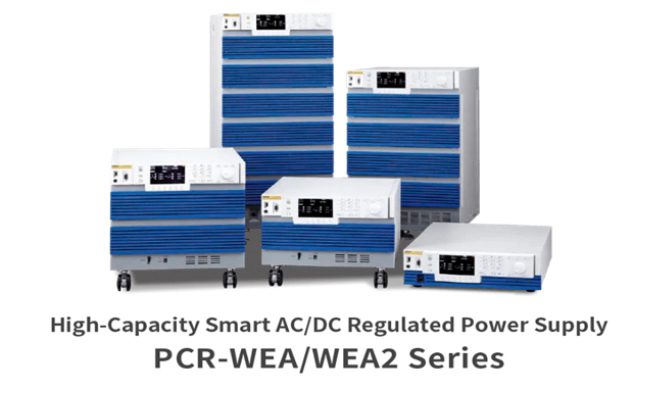
This article presents a comprehensive overview of how Kikusui’s cutting-edge power testing solutions specifically, the PCR-WEA/WEA2 series of programmable AC/DC power supplies, the PXB series of bidirectional DC power supplies, and the PLZ-5WH2 high-speed DC electronic loads enable detailed evaluation, functional testing, and seamless system integration of OBCs and other critical EV power electronic components, including traction batteries. These tools support robust characterization across a range of real-world scenarios, contributing to improved design validation, compliance, and performance optimization in next-generation electric mobility systems.
Electric vehicle OBCs serve as the primary interface between the power grid and a vehicle’s high-voltage battery, enabling safe AC-to-DC conversion across a wide range of input conditions. Modern OBCs must not only provide efficient unidirectional charging but increasingly support bidirectional energy flow for V2H/V2G functions, grid-interactive services, and energy storage applications.
At the same time, automotive manufacturers are shifting toward compact, modular, and multifunctional power electronic assemblies, combining OBCs, DC/DC converters, and junction boxes into integrated units to reduce size, weight, and cost.
These advancements increase the need for:
Robust AC-side resilience against voltage sags, frequency variations, momentary interruptions, and harmonic distortion.
Stable DC-side control, ensuring proper charging behavior, battery protection, and compliance with global standards.
Test equipment capable of reproducing worldwide grid conditions, enabling repeatable and accelerated development.
Kikusui’s laboratory-grade power systems provide this controlled environment, ensuring OBCs and battery systems are verified under real-world electrical variability with high fidelity.
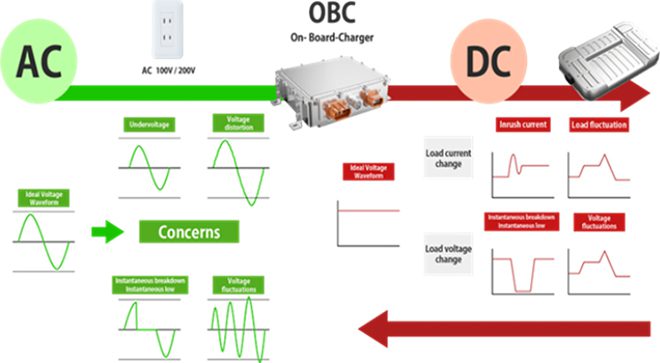
Figure 1. AC–DC Conversion of Voltage and Current Waveforms in an On-Board Charger (OBC).
AC-Side Evaluation of On-Board Chargers The PCR-WEA/WEA2 Series is a high-capacity AC/DC regulated power supply designed for flexible, high-precision grid simulation. It supports all major global AC configurations used for electric vehicle (EV) charging, including:
Single-phase 120 V (commonly used in USA)
Single-phase 200 V three-wire (L1-N-L2, typically 100 V line-to-neutral, 200 V line-to-line)
Three-phase 208V (line-to-line), common in industrial or commercial charging applications
A single PCR-WEA/WEA2 unit can replicate these voltage and phase conditions without requiring additional hardware, significantly reducing test complexity and enabling rapid configuration changes for global compliance testing.
The 15-model PCR-WEA2 lineup offers AC/DC output from 1 kVA to 36 kVA, with variable single- and three-phase output from 6 kVA upward. It features a regenerative mode for reduced power consumption and supports mix-and-match parallel operation up to 144 kVA for scalable test systems, the series offers:
Output frequency flexibility up to 5 kHz
4x rated peak current capability
1.4x inrush current tolerance for 500 ms
These features enable engineers to accurately evaluate OBC performance during startup, simulate real-world grid disturbances, and validate transient handling during rapid load transitions.
Available power configurations options 1 kVA and 2 kVA, 4 kVA, 8 kVA, 12 kVA, 16 kVA, 20 kVA, and 24 kVA. For applications requiring higher capacity, parallel operation can extend the output up to 96 kVA. Additionally, the three-phase PCR-WEA2 series is available in 3 kVA, 6 kVA, 12 kVA, 18 kVA, 24 kVA, 30 kVA, and 36 kVA models, with parallel expansion possible up to 144 kVA.
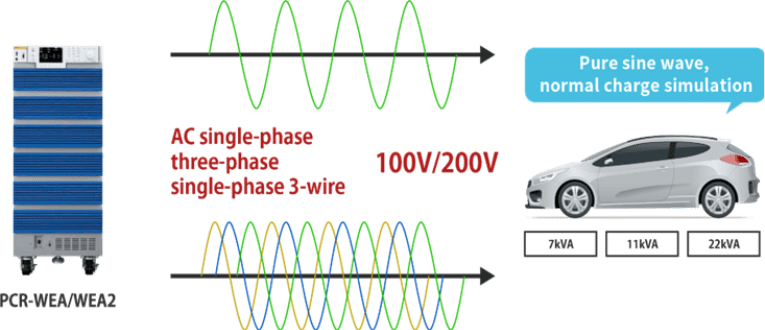
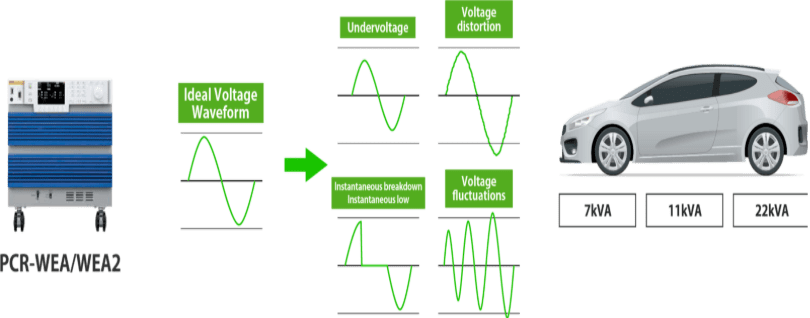
Figure 2. AC Power Simulation for EV Charging: Single-Phase and Three-Phase 100V/200V Inputs Delivering Pure Sine Wave Outputs for 7kW, 11kW, and 22kW Charging.
Key Features and Benefits of PCR-WEA/WEA2:
Versatile Output Configurations supporting all major EV charging voltages.
Ultra-Compact Design providing high power density for reduced lab footprint.
Exceptional Transient Handling for inrush and peak-load events.
Advanced Sequencing Functions to simulate disturbances, harmonics, and advanced grid behavior.
Global Grid Simulation with adjustable voltage, frequency, and phase.
Proven Reliability, widely used in Japanese automotive and consumer electronics industries.
Sequence Functions for Advanced AC Simulation The PCR-WEA/WEA2 Series incorporates sophisticated waveform programming that allows engineers to replicate complex utility grid behavior with precision. These functions are essential for evaluating OBC reliability, EMC performance, and compliance with international test standards.
Simulation of Power Disturbances
The system can reproduce a range of real-world anomalies, including:
Undervoltage/Overvoltage
Voltage dips, swells, and fluctuations
Instantaneous interruptions
Waveform distortion
These simulations help verify OBC operation during brownouts, unstable infrastructure, and transient grid events.
Harmonic and Phase Control
The PCR-WEA/WEA2 supports harmonic synthesis up to the 40th order, enabling detailed analysis of power factor correction (PFC) behavior and OBC EMI performance. Adjustable initial phase settings (e.g., 0°, 90°, 270°) enable worst-case startup scenario testing.
Compliance and Standards Testing
The series supports testing aligned with major global power quality standards, such as:
IEC 61000-4-11 – Voltage dips, short interruptions, variations
IEC 61000-4-28 – Frequency variations
IEC 61000-4-34 – Voltage disturbances for high-current equipment
These features help manufacturers validate devices before formal certification, reducing development cycles and compliance risk.
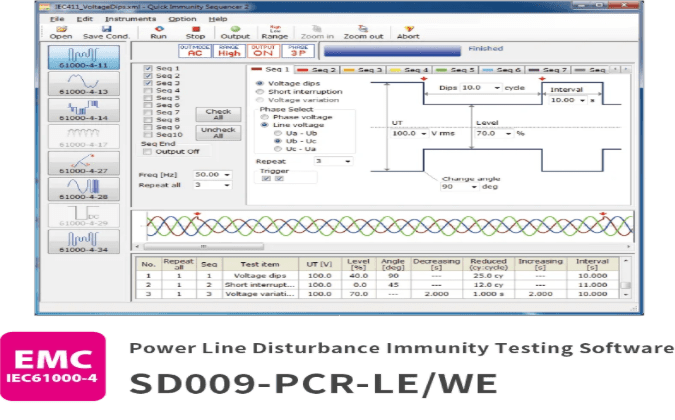
Figure 3. Various Sequence Functions: Simulation of Voltage Dips, Interruptions, and Harmonic Waveforms for Compliance with IEC 61000 Standards
DC-Side Evaluation of On-Board Chargers To complement AC-side testing, Kikusui provides powerful DC-side test instruments, including the PXB Series bidirectional DC power supply and the PLZ-5WH2 Series high-speed DC electronic load.
PXB Series – Bidirectional High-Capacity DC Power Supply
The PXB Series offers bidirectional operation, allowing both sourcing and sinking of power for energy-regenerative testing. This reduces total energy consumption during extended test cycles.
Supporting voltages up to 1,500 V, the PXB series is ideal for evaluating high-voltage battery systems (300–750 VDC typical). Its regenerative capability simulates both charging and discharging conditions, closely reflecting actual EV operating environments.
PLZ-5WH2 Series – DC Electronic Load
The PLZ-5WH2 Series provides high-speed transient response and precise dynamic load control, enabling accurate measurement of OBC output characteristics such as voltage regulation, ripple, and transient response.
With voltage handling up to 1,000 V, it allows engineers to evaluate the OBC’s behavior under sudden load changes, ensuring safety and reliability in real-world operation.
System Integration and Application Flexibility By combining the PCR-WEA/WEA2, PXB, and PLZ-5WH2 systems, Kikusui delivers a fully integrated OBC test environment capable of simulating both grid-side and battery-side conditions with precision.
This integrated platform allows:
End-to-End AC–DC performance testing under variable grid conditions
Long-term endurance and efficiency testing through regenerative power flow
Harmonic, transient, and compliance testing per global standards
Optimized energy use through power regeneration
Such a setup ensures comprehensive validation and accelerated development of next-generation OBC and EV power systems.
Conclusion As EV power electronics expand in capability and complexity, the need for high-precision, globally representative test environments continues to grow. Kikusui’s PCR-WEA/WEA2, PXB, and PLZ-5WH2 series provide a comprehensive solution for AC and DC evaluation of OBCs, high-voltage battery systems, and related power electronics.
By delivering advanced harmonic simulation, regenerative operation, fast transient control, and compliance-oriented sequence functions, these instruments enable engineers to design, validate, and integrate next-generation EV charging and energy-management systems with confidence.
Electrification of off-highway vehicles isn’t new. What’s new is the combination of battery economics, tighter urban rules and a rapidly evolving global supply chain—forces that are pushing OEMs to rethink machine architecture, service strategy and the realities of charging on a jobsite.
Danfoss Editron’s Eric Azeroual on off-highway electrification trends
Electrification is often framed as the next big disruption for construction, mining and agricultural equipment. But in the off-highway field, “electric” has been hiding in plain sight for decades. Look at ports and mines and you will find machines that already exploit electric torque, efficiency and controllability, even if a diesel engine is still part of the system. In warehouses, electric forklifts and aerial work platforms have long been mainstream.
So why does electrification feel like a fresh wave now?
Charged recently chatted with Eric Azeroual, Vice President at Danfoss Editron (the electrification arm of Danfoss Power Solutions). He pointed to two accelerants: rapidly improving battery economics and the rising pressure of city-focused emissions standards. As he described it, off-highway is “going through a very big transformation,” moving away from internal combustion engines and conventional hydraulics toward electric and electrified hydraulics.
The real inflection point: batteries got cheaper and cities got louder
Azeroual argues that off-highway didn’t suddenly “discover” electrification. Engineers and end users have long understood the benefits of electric machines: power density, high torque at low speed, and the efficiency advantages that come from precise control.
The first thing that has changed over the last few years is the affordability of the energy storage needed to untether machines from the grid. Azeroual explains that the momentum of passenger-car electrification pushed battery cost down from roughly $1,000 or $1,500 per kWh” to $100 or $150, making it feasible to electrify a much larger slice of off-highway equipment—especially the “middle market” between tiny low-power vehicles and large, grid-connected machines.
The second accelerant is regulation, especially in cities. Emissions standards for machines operating in urban areas are tightening, and OEMs are weighing whether to keep investing in increasingly complex after-treatment systems or to redirect that investment into electric platforms and electrified work functions.
This combination is particularly consequential because construction dominates demand. Azeroual pegs wheel loaders and excavators as roughly 50% of the off-highway market, and he sees them as “poised to electrify quicker” for a very practical reason: their duty cycles often align with electrification better than outsiders assume. Many of these machines do not travel long distances, and they operate in defined spaces, with intermittent work and idle time. And because many operate inside cities, regulation and noise become immediate drivers. He offered a vivid example: an excavator operating in the middle of Paris may need to be electric to meet emissions requirements in the near future.
A two-speed voltage world: 48 V at one end, high voltage everywhere else
One of the clearest signs that off-highway electrification is maturing is that the debate is shifting from whether to electrify to how to electrify. For Azeroual, voltage is becoming the defining design fork.
The first wave is already here: compact wheel loaders and mini excavators built around low-voltage (typically 48 V) architectures. They are “low risk,” relatively straightforward to charge, and avoid the safety and integration complexity that comes with high voltage.
But he does not expect a smooth ladder that includes a significant medium-voltage category. Instead, he predicts a fast jump: either sub-60 V systems (the 48 V class) or high-voltage systems for most platforms beyond that—“two poles,” as he described it.
Two engineering drivers sit behind that jump:
Charging rate and uptime. Higher voltage enables higher power transfer, which reduces charge time and protects equipment uptime, an essential economic variable in off-highway.
Power and efficiency. When power requirements push beyond about 150-200 kW, higher voltage becomes a practical way to reduce current and resistive losses, improving system efficiency and lowering thermal burden.
Danfoss Editron is developing low-voltage and high-voltage solutions because those are the two segments in which OEMs are placing bets.
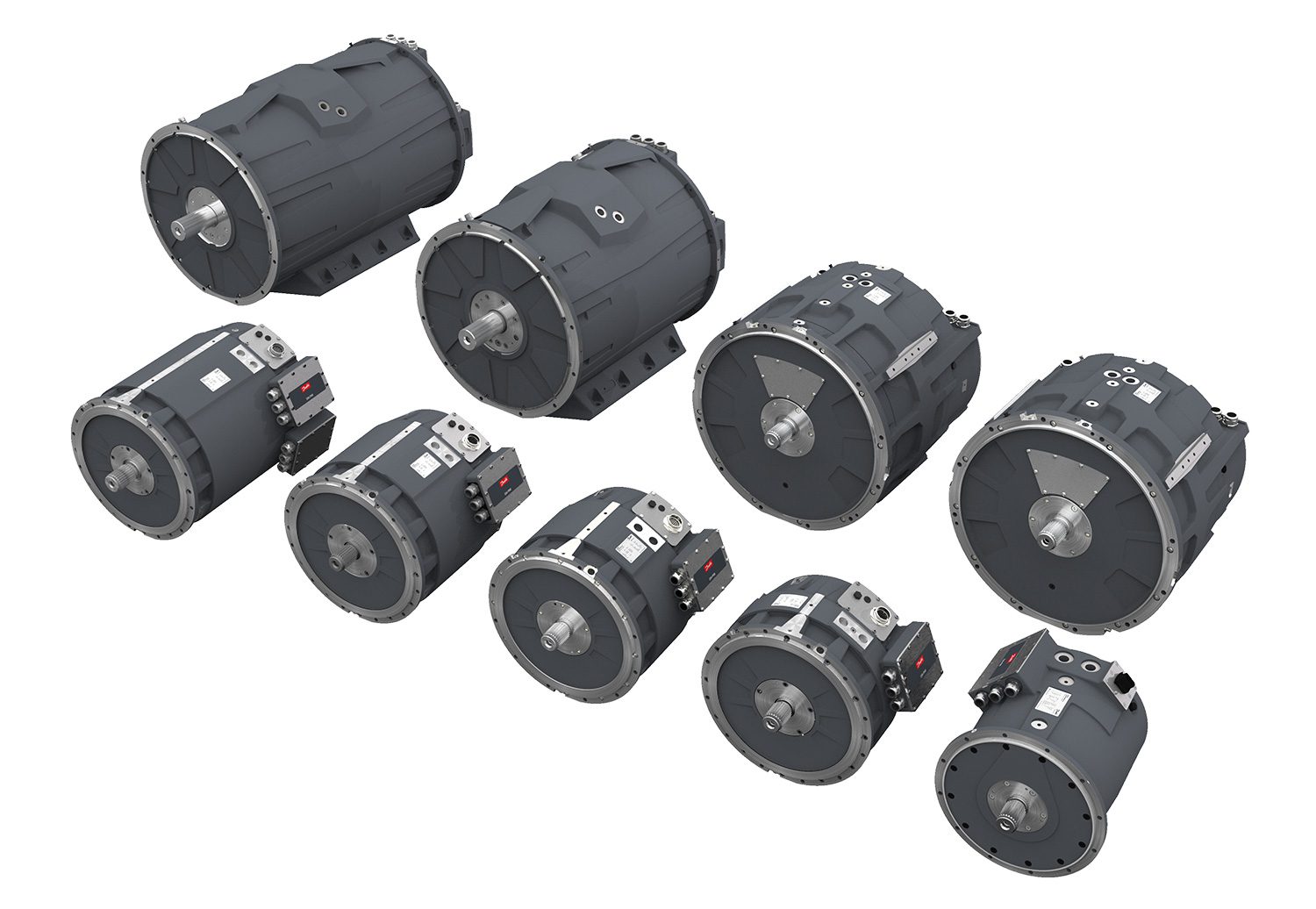
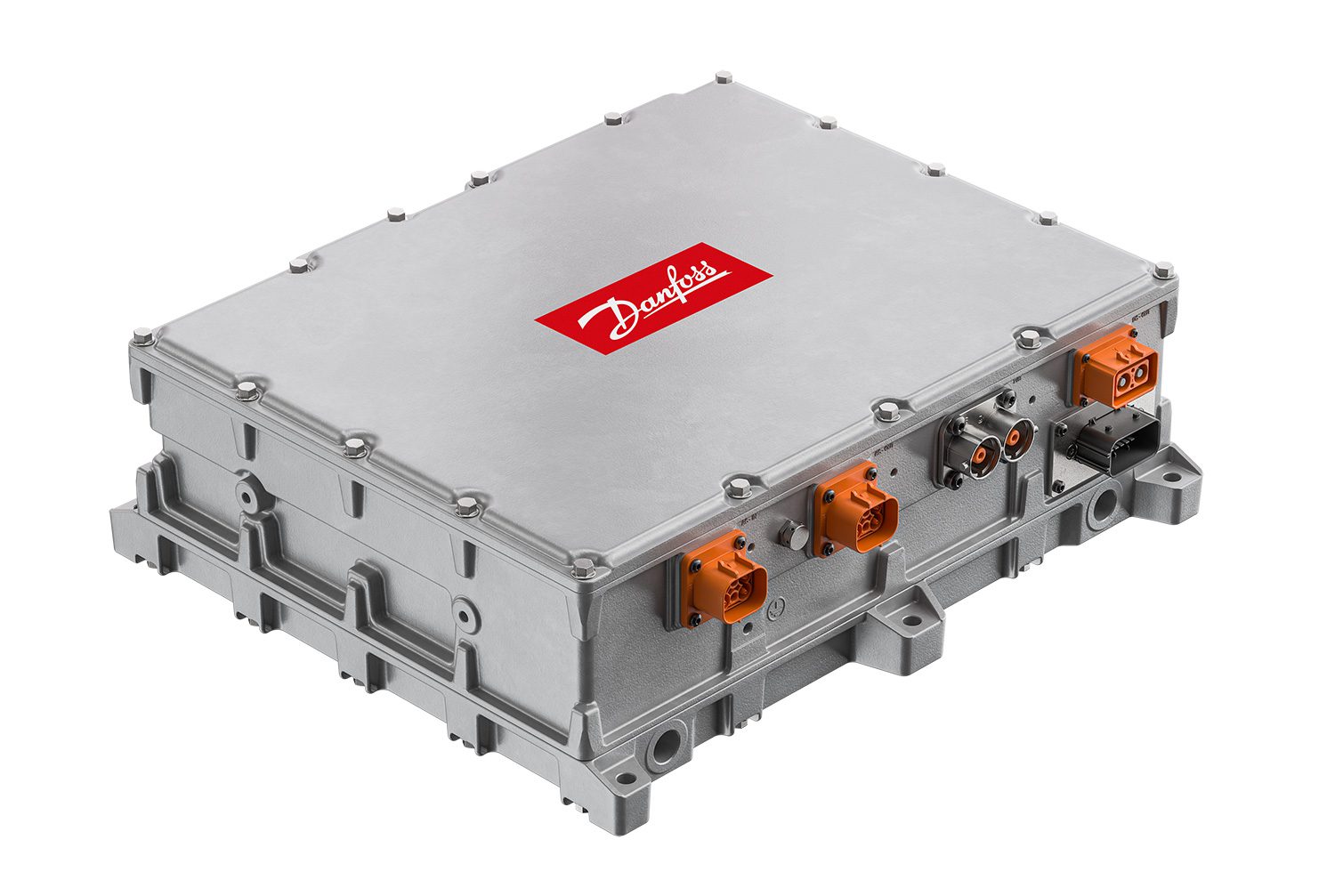
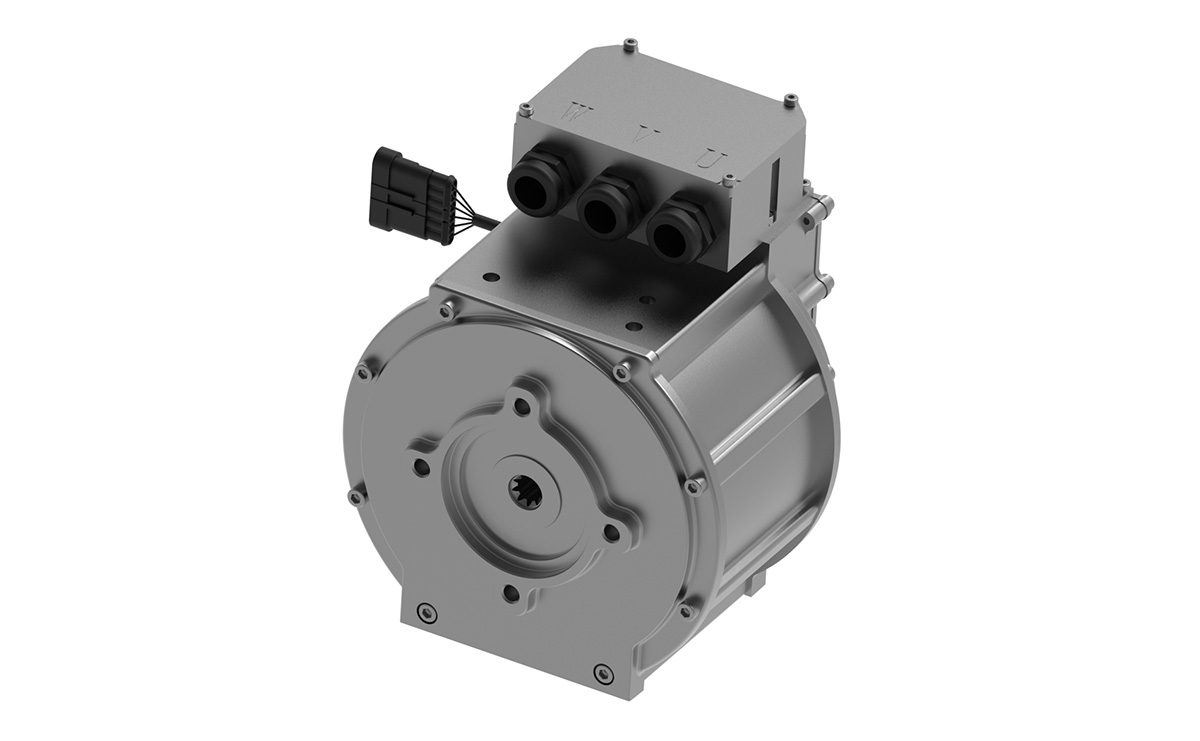
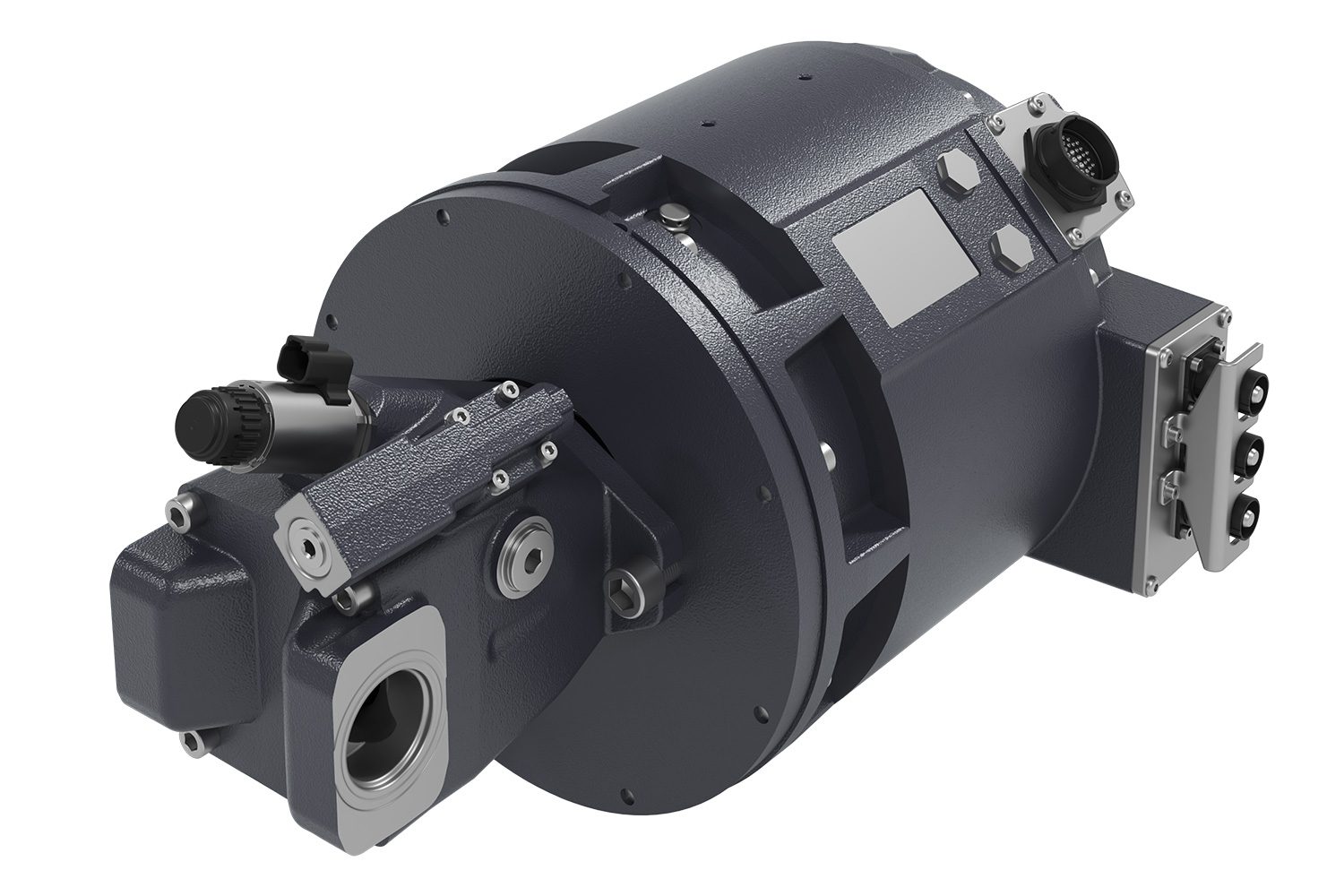
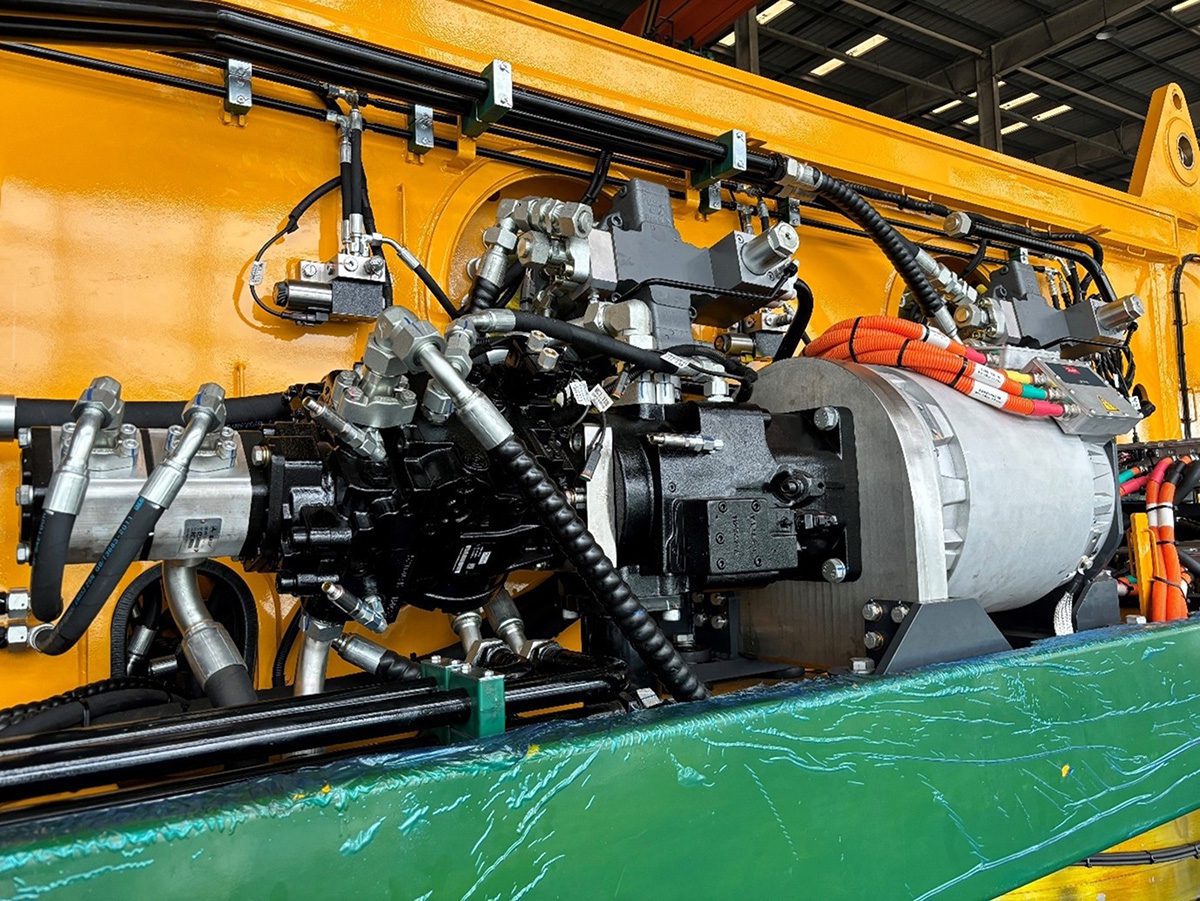
Danfoss Editron electric motors Danfoss Editron ED3 on-board chargerDanfoss Editron 48-voltage electric motor to power hydraulic gear pumpsDanfoss ePump Power Module
Azeroual also sees an important “bridge” between automotive and off-highway: heavy-duty trucks and commercial vehicles. In his view, advancements there are helping close the gap between passenger-car high-voltage ecosystems and off-highway requirements. Danfoss is selectively involved in on-highway electrification, he said, primarily when the technology can be carried back into off-highway products.
Why modularity is not optional in off-highway
In passenger cars, product strategy is built around standardization: a small set of interfaces, high-volume platforms and minimal variation. In off-highway, that assumption fails quickly. OEMs face wide variation in machine layout, packaging space, work functions and customer expectations, and volumes are often low enough that a “one-size-fits-all” approach can become a deal breaker.
Azeroual offers drivetrain topology as an example. An off-highway machine can easily require five motors and five different inverters, and each of those components must mount, route and cool in a way that fits a specific machine layout. Unlike automotive, in which the interface might be standardized around a small set of packaging conventions, off-highway often demands different form factors—“pancake” versus cylindrical—and different mounting realities.
Modularity is not purely mechanical. Off-highway machines are increasingly sensor-rich—OEMs are demanding more inputs and outputs, more diagnostics and more freedom to calibrate software to match unique work cycles. Azeroual describes modularity as the ability to modify interfaces—shaft, spline, connectors—as well as the software itself, so that end users can calibrate behavior to a particular application.
This is where Danfoss leans on its controls background. Azeroual highlighted Danfoss’s long history with the PLUS+1 software architecture—about 20 years—as a framework that allows customers to “pick and choose building blocks” for their vehicle architecture.
The trade-off, he acknowledged, is cost. Adding options and configurability can increase part cost. But in off-highway, flexibility is frequently the price of entry, especially when customers order ten units rather than ten thousand. Azeroual suggested that suppliers built around high-volume standardization often struggle here, and that a lack of flexibility can even be perceived as “arrogant” in what is, despite the equipment size, “a small world” of industrial machinery.
He offered a concrete benchmark for how far this variation can go: a single motor family may exist in “350 different variants,” driven by mechanical interfaces, connector options and related configuration needs.
The business physics: ROI sensitivity and market cycles
Off-highway is an engineering market, but it is also a market governed by simple economics. Azeroual says that end users are “very sensitive to ROI,” and notes the historically incremental pace of machine innovation: if the machine does the job, buyers prioritize reliability and hours-of-operation improvements over radical redesigns.
Electrification is different because it forces a step change across the machine: architecture, components, controls and service. That creates opportunity, but also hesitation when business conditions tighten. He described the market as a “light switch.” When money is tight, innovation slows—when demand rises, appetite returns.
Azeroual also called out a cultural difference that can surprise engineers coming from automotive: in off-highway, prototypes can end up being sold. He contrasted this with passenger cars and commercial vehicles, where prototypes are built for validation and never reach customers. In off-highway, a prototype electric machine may be purchased quickly, because machines are often custom-built and buyers are eager for workable solutions.
That dynamic can create whiplash. Some OEMs built electrified machines and struggled to sell them immediately, leading to a “we did it for nothing” sentiment, which Azeroual described as short-sighted. He contrasted those reactions with OEMs that treat electrification as part of a longer strategy—leveraging learnings from other mobility markets such as marine and on-highway trucks.
China’s gravitational pull on the electrification supply chain
Azeroual did not sugarcoat the role of China in electrification. He conceded that China dominates the electrification supply chain—batteries, motors, inverters—and suggested that global OEMs and suppliers must consider what that means for cost and iteration speed.
China’s strategic focus at the Bauma China trade show in 2024, which was heavily centered on electrification. Chinese OEMs were not simply showing concepts—hey had machines available for purchase and deployment.
From an engineering standpoint, the more uncomfortable point is cost and iteration. Azeroual suggested that Chinese suppliers are further along in development cycles—he describes China as being in the midst of a “seventh evolution” of motor and inverter development, compared with “generation three” elsewhere.
Azeroual’s interpretation is that Chinese manufacturers have iterated aggressively enough to understand the “bare minimum” required to serve real applications, rather than over-designing for edge cases.
A hidden differentiator: distribution, service and local engineering leverage
In off-highway, buying a component is inseparable from buying uptime. Machines operate in harsh environments, under schedule pressure, and downtime can erase any cost savings quickly.
Azeroual framed Danfoss’s large distribution network as a strategic advantage that complements modular design. Distributors are not only sales channels—they can also act as local integrators and solution builders. He described seeing a distributor share an integrated solution built from Danfoss components—motor, pump and controls—and offer it directly to customers.
He also warned about the limits of low-price entrants who lack service infrastructure. A component may be inexpensive, but when the part breaks, the question becomes who can service it and how quickly the machine can return to work—off-highway’s definition of real value.
Right-sizing as cost strategy: what marine and continuous-duty markets teach
Azeroual offered an engineer’s answer to the cost problem: learn from harsh duty cycles where the physics are unforgiving.
He explained how Danfoss’s experience in marine and oil-and-gas applications—markets in which motors can run continuously near their limits—provides data that informs product design for off-highway. In traction, peak power may be brief. In marine, “the peak power is the continuous power,” and the system runs “continuously at the edge.”
That stress testing can reveal that many products are over-designed for off-highway applications.
For engineers, this is a critical theme: electrification is not just about making an electric machine work. It is about making it work at the right cost, with the right lifespan assumptions, and with materials and performance aligned to actual duty cycles.
The bridge technology: electrifying hydraulics before electrifying everything
Azeroual repeatedly returned to a pragmatic adoption path. Off-highway is conservative. If something is “too new,” it can stall. He suggested that this conservatism is part of why fully electric machines have not yet taken off broadly.
Danfoss’s near-term emphasis is electrifying hydraulics and improving hydraulic efficiency—essentially using electric control to reduce wasted energy and to make work functions more responsive. The underlying idea is to stop wasting energy “turning a pump,” and to control pressure and flow so that the system operates as efficiently as possible.
He also suggested that electrification enables new component design choices, such as high-speed pumps better matched to electric motors—on the order of 8,000 to 10,000 RPM—along with the potential for lower noise once the combustion engine is removed from the loop.
Azeroual highlighted one Danfoss example as a “best of the best” combination: pairing a digital displacement pump (DDP) with an electric motor. Digital displacement can modulate pump output to match demand, and electric motors allow speed to be adjusted dynamically, expanding the operating envelope and improving efficiency. He called the combination “a game-changer.”
Then came a forecast that will spark debate: Danfoss anticipates pure battery-electric machines to remain “less than 5% by 2030,” while electrified, efficient hydraulics could rise into the 20-30% range.
Whether or not those exact percentages prove correct, the directional message is clear: for many machine classes, electrifying the work functions may deliver ROI sooner than full battery-electric conversion—and that can be a bridge to deeper electrification later.
Seeing is believing: demos, application centers and operator acceptance
Technical arguments alone rarely shift off-highway buying behavior. Operators, fleet owners and rental companies need proof of performance under real conditions.
Azeroual described Danfoss’s Application Development Centers (ADCs) as a way to generate that proof. Danfoss takes in customer vehicles (or selects platforms with high innovation potential), implements new architectures and then invites customers to test them. He cited ADCs in Ames, Iowa; Haiyan, China; and Nordborg, Denmark; where Danfoss can rapidly prototype and demonstrate solutions.
Demonstrations matter because they reveal benefits that spec sheets rarely capture. One example is jobsite communication: electrified machines can be quiet enough for a spotter to talk to an operator while the machine is digging, potentially improving precision and teamwork. Azeroual agreed that these “other things that we didn’t expect” can shift perceptions quickly.But he also emphasized the counterweight: electrified machines are still more expensive. Adoption depends on solving charging and uptime in a way that fits the ways in which equipment is actually deployed.
Charging is a bottleneck—and it won’t look like highway fast charging
Charging is where off-highway diverges most sharply from passenger cars. Even as on-highway electrification is building an extensive DC fast charging network, off-highway equipment often cannot use it. “You’re not going to bring an excavator on the side of the highway” to charge, Azeroual said.
Instead, the question is what power exists on a jobsite—and how a machine can use it without slowing the work.
Azeroual pointed to a practical Danfoss product development: an onboard AC charging solution, the ED3 (Editron three-in-one). His framing is pragmatic: most construction sites already have access to AC power, while DC power is “very rare” on-site and only possible through new large power banks. By enabling meaningful AC charging—he cited 44 kW as an example—machines can recharge overnight or during breaks without requiring a dedicated DC infrastructure build-out.
He also suggested that equipment-rental economics could become a key enabler. Because machines are often rented, a rental company could match battery size and charging strategy to the job: the same platform with a larger battery for a remote site, or a smaller-battery version when overnight charging is available. That kind of modularity, he argued, could help “break the barriers of entry.”
What this means for engineers designing the next generation of machines
Azeroual’s perspective makes one thing clear: off-highway electrification is not a single technology trend. It is a systems transition shaped by economics, policy and a rapidly evolving global ecosystem.
For engineers, several practical implications stand out:
Architecture decisions are converging. Expect a split between low-voltage compact machines and high-voltage mainstream platforms, driven by charging power, efficiency and the 150-200 kW-plus reality of many work cycles.
Modularity is an engineering requirement. Mechanical interfaces, packaging, I/O and software calibration flexibility are not “nice to have” in off-highway; they are central to winning programs across diverse machines and low-to-medium volumes.
E-hydraulics is likely to be a major near-term lever. Electrifying and optimizing hydraulic work functions can deliver efficiency, noise and controllability gains without requiring every machine to become fully battery-electric overnight.
Charging must match the jobsite. Onboard AC charging, right-sized batteries and fleet/rental planning may matter more than replicating the passenger-car DC fast charging playbook.
Off-highway will not electrify evenly. Some segments—compact urban machines and duty cycles with predictable charging—will move quickly. Others—long-duration field work, remote jobsites and exceptionally harsh duty cycles—will take longer. But the direction is increasingly clear: electrification, in one form or another, is becoming a standard design constraint, not a side project.
South Korean metals producer Korea Zinc has signed a strategic partnership with US-based Alta Resource Technologies to produce rare earth oxides for applications including EVs.
The two companies plan to establish a joint venture in the US and build production facilities on the site of Korea Zinc’s US subsidiary to separate rare earth elements using Alta’s biochemical technology. The biochemical process platform technology uses custom-designed proteins to selectively separate and purify low-concentration rare earth elements contained within complex mixtures.
Korea Zinc is building a $7.4-billion integrated smelter in Tennessee to meet demand for supply outside of China.
The JV aims to start commercial operations in 2027, starting with an annual processing and production capacity of 100 tons of high-purity rare earth oxides. The JV plans to gradually expand production.
Production will focus on high-purity rare earth oxides such as neodymium oxide, praseodymium oxide, dysprosium oxide and terbium oxide, using permanent magnet waste located in the US as raw material.
The goal is to establish the foundation for a stable supply chain of rare earth oxides to both South Korea and the US.
Since 2022, Korea Zinc subsidiary PedalPoint has been forming a recycling value chain in the US through strategic acquisitions, including e-waste recycling company Igneo, electronics recycling company evTerra, scrap metal trading company Kataman Metals and IT asset management company MDSi. The recycling business is expected to ensure a stable supply of waste to the JV.
“Following our strategy to play a central role in the Korea-US core mineral supply chain by building a smelter in the US, this collaboration will be an important milestone in the rare earths sector, which has recently become increasingly strategically important worldwide,” said Choi Yoon-beom, Chairman of Korea Zinc.
Hirose delivers innovative connector solutions that power the future of automotive technology. Trusted by the world’s leading OEMs and Tier 1 suppliers, its portfolio addresses the full spectrum of applications—from EV powertrains and charging systems to ADAS, LiDAR, infotainment, and in-vehicle networks.
With expertise in miniaturization, high-speed transmission, and rugged power delivery, Hirose connectors combine compact footprints with robust mechanical reliability, vibration resistance, and waterproof options.
Hirose’s portfolio addresses the toughest challenges in modern automotive design. Standout series include the KW30, a compact 1 mm-pitch connector engineered for vibration resistance in harsh environments; the GT50, an ultra-small, lightweight connector rated to 125 °C with robust vibration performance for camera and LiDAR subsystems; the DF60FS, a compact right-angle variant supporting up to 65 A with finger-safe design and secure locking for EV power distribution; and the HVH-280, a high-voltage waterproof connector rated 30 A/600 V, providing reliable performance in EV battery packs, inverters, and on-board chargers.
Beyond individual products, Hirose connectors are designed to simplify integration and enhance system reliability. With features such as EMI shielding, IP-rated waterproof sealing, vibration resistance, and floating designs for misalignment tolerance, Hirose solutions are tailored for the realities of automotive environments.
By combining global manufacturing strength with more than 80 years of engineering expertise, Hirose empowers automakers to deliver vehicles that are safer, smarter, and more sustainable. Whether for power, signal, or high-speed communication, Hirose connectors are built to support the future of electrification and intelligent mobility.
For a deeper understanding of Hirose’s large portfolio of automotive connector solutions, watch this video or visit Heilind.com.
Chinese battery giant CATL and EV maker NIO have signed a five-year strategic cooperation agreement to develop battery technology, swapping network resources and global market share.
On the technology front, the companies will focus on jointly developing batteries that have long cycle life, as well as battery swapping technologies.
CATL and NIO will also jointly promote the formulation of battery swapping technology standards and the sharing of battery swapping network resources. They intend to deepen their collaboration under business models such as battery leasing, and work together to build an open and shared battery swapping industry ecosystem.
As they look to expand market share, the companies will aim to strengthen joint brand promotion in domestic and international markets.
“Through a structured and long-term cooperation framework, the two companies will jointly address industry changes and provide users with a safer, more efficient and more sustainable electric mobility experience,” CATL stated.
Manufacturing and battery technology advisory firm XC Technology has signed a strategic collaboration with Photon Automation to support the latter’s new subsidiary, Photon Energy, focusing on offering turn-key energy storage system (ESS) contract manufacturing services.
Photon Energy will leverage the collaboration to provide a complete suite of services, from design support and prototyping to full-scale production and quality assurance for various energy storage applications. That includes providing manufacturing solutions for a range of portable, grid and industrial ESS products.
Precision laser welding applications will use Photon Automation’s specialized capabilities for critical welding processes in ESS components. Meanwhile, battery production and optimization will leverage XC Technology’s battery process experience for performance and safety optimization for next-generation energy systems.
“XC Technology’s experience in optimizing production for complex battery technologies and turnkey assemblies, combined with Photon Automation’s turnkey systems build and integration, creates a powerful offering for the market,” said Ben Wrightsman, founder of XC Technology.
Increased battery density is the endgame of all cutting-edge battery design, improvements cannot come at the expense of safety or cost limitations. The question then becomes how to push the envelope in a safe and cost-effective way. Monitoring the state-of-health of cells is at the top of the list of considerations.
Accurately measuring ambient factors like temperature and voltage provides critical data to the BMS. For years, this could be done through discreet wiring, though this method was inefficient, and quality was lacking. In today’s designs, flexible PCBs are taking the place of discreet wiring. These FPC-based systems are the newest generation of Cell Contacting Systems. They simultaneously bring down the cost of pack manufacturing and improve reliability in manufacturing and data harnessing.
Quality of data is essential in order to safely maximize energy density. This white paper from Churod Electronics details the hows and whys of FPC-based Cell Contacting Systems and how this cost-effective, yet reliable tool is a key to modern battery pack efficiency.
Octillion Power Systems, a Tier 1 supplier of electric vehicle battery systems, says it set a single-day manufacturing record on December 3, 2025 by producing 3,653 EV battery systems, representing about 114 MWh of energy production. The company says the output was achieved across nine battery manufacturing facilities in the US, India and China, pointing to localized production intended to support OEM partners.
Octillion says the battery systems produced in the record run support EV applications including passenger cars, trucks, buses and commercial vehicles. The company also reports it delivered about 20 GWh of energy capacity in 2025 across vehicle segments and geographies, and it forecasts higher production in 2026.
Octillion says that in China it captured over five percent market share in the passenger electric vehicle battery systems market in 2023. The company also says it is the leading producer of EV battery systems in India across passenger vehicles, trucks and buses, measured by total units produced and market share, and notes its India and China operations are supported by more than 15 years of supply chain development, engineering expertise, and production optimization.
Octillion’s technical approach is vertically integrated from system design to mass production. Its battery systems development includes advanced thermal modeling, fully integrated battery management systems, and standardized yet flexible production processes intended to enable customized solutions at scale.
Headquartered in Richmond, California, the company operates nine global manufacturing facilities and has delivered more than two million EV battery systems worldwide, supporting over 33 billion kilometers driven on its technology.
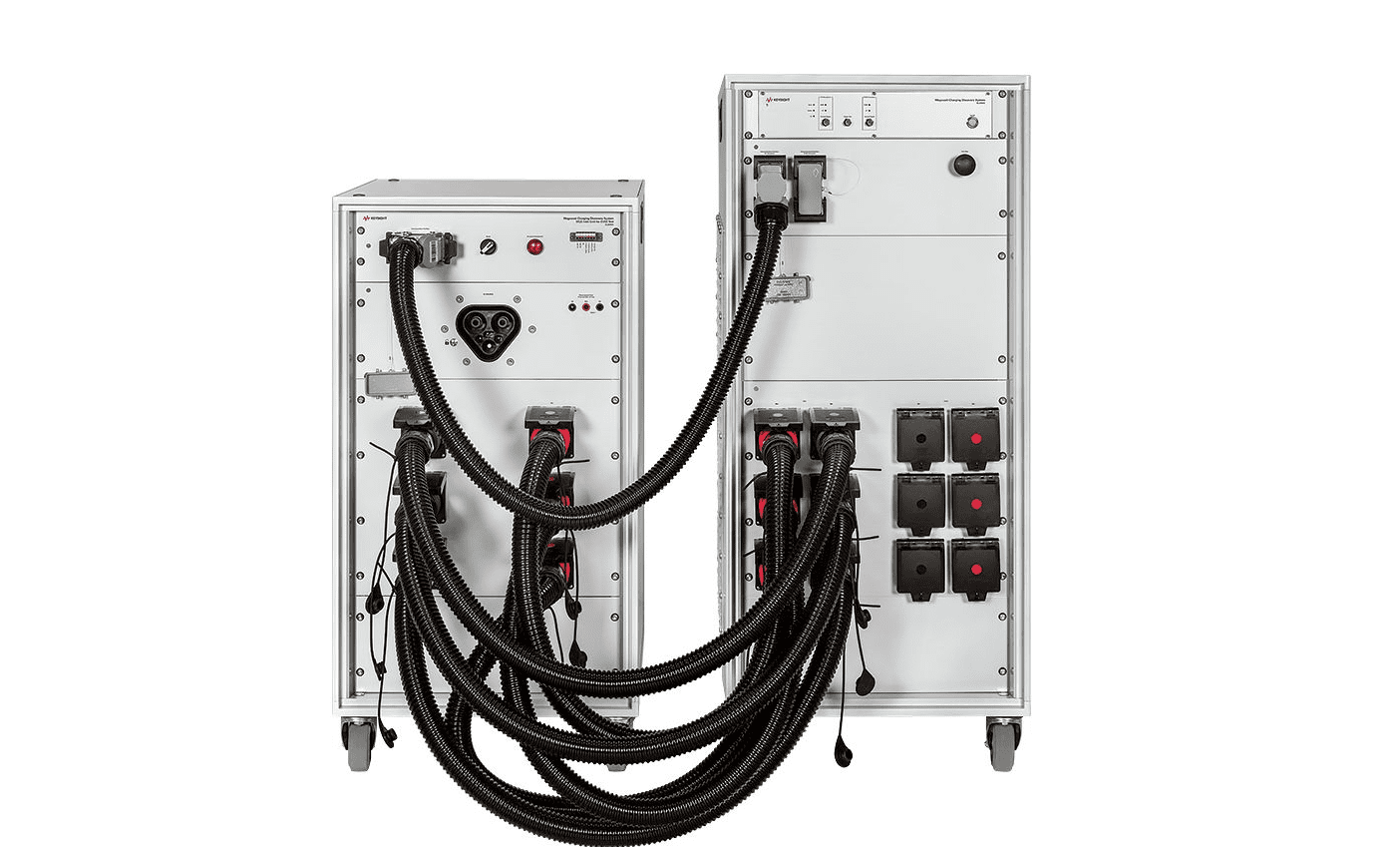
Keysight Technologies has announced two new EV charging test solutions designed to support the industry’s move to high-power and megawatt-level charging.
The company explains that the rapid growth of electrification is driving demand for charging infrastructure capable of supporting everything from fast charging for passenger vehicles to megawatt-level charging for heavy-duty transport and industrial fleets. At the same time, engineers and manufacturers face increasing complexities due to interoperability challenges, stringent safety requirements, and the need to comply with evolving international standards such as MCS, CCS, ISO 15118, GB/T and CHAdeMO.
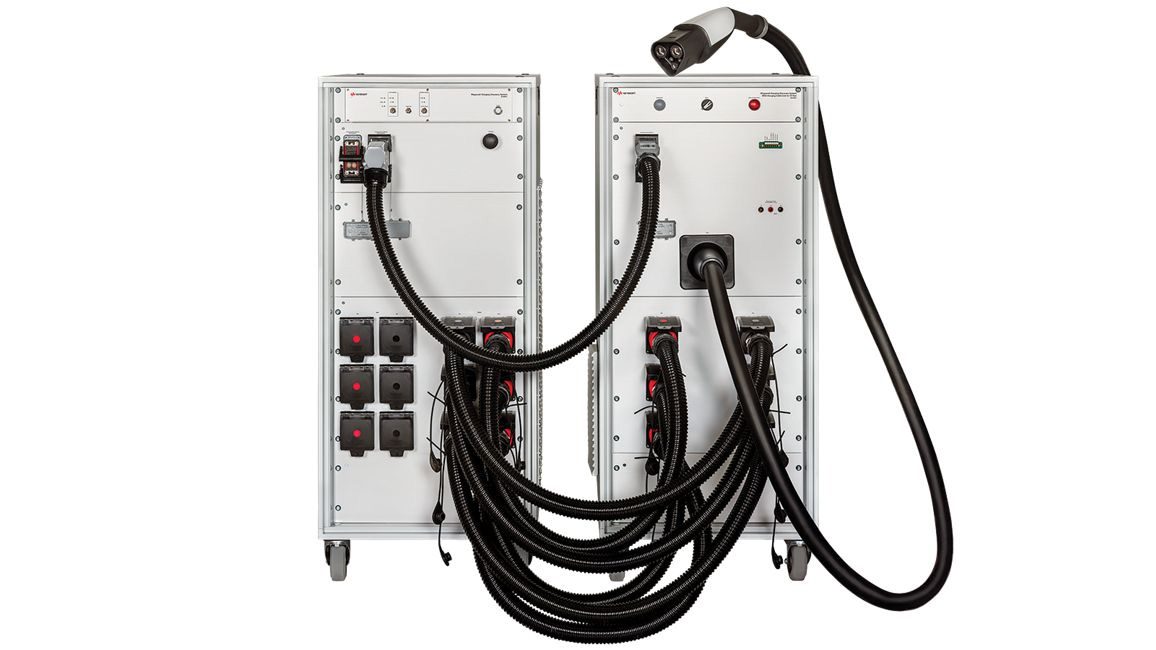
The SL2600 A Megawatt Charging Discovery System enables validation of megawatt charging for heavy-duty applications, supporting voltages up to 1,500 V and currents up to 1,500 A. Its modular, upgradable architecture allows engineers to test both EVs and charging stations within a single system.
The enhanced SL1047A Scienlab Charging Discovery System—High‑Power Series delivers software‑scalable performance starting at 400 A and 1,000 V, and can be expanded up to 800 A and 1,500 V without hardware replacement. It supports all global charging standards, including full compliance with GB/T 2024. It also introduces enhanced charging communication test capabilities, featuring significant improvements and extended functionality to address increasingly complex EV charging requirements.
“The transition to high-power and megawatt-level charging is a pivotal moment for the EV industry,” said Thomas Goetzl, Vice President and General Manager for Keysight’s Automotive & Energy Solutions. “Our latest test solutions give manufacturers and engineers the confidence to innovate quickly and deliver reliable charging systems that meet global standards.”

 Login
Login